How Remote Work Recommendations Are Determined by Doctors
Doctors do not recommend remote work based only on an employee’s request. They carefully evaluate whether working from home is medically beneficial for the individual’s condition.
- Medical Assessment: The doctor reviews symptoms, diagnosis, and overall health.
- Physical Limitations: Mobility issues, fatigue, or pain are considered.
- Recovery Needs: The expected healing period helps determine the recommendation.
- Job Responsibilities: The doctor considers whether essential tasks can reasonably be performed remotely.
- Duration: Remote work may be suggested for a short-term recovery period or longer, depending on medical progress.
Remote Work Situations That May Require Medical Documentation
Certain health conditions may not require complete medical leave but can make working from home a safer and more practical option. Employees recovering from surgery, managing chronic pain, experiencing respiratory illnesses, dealing with severe migraines, or facing pregnancy-related discomfort may receive a recommendation for remote work if commuting or office conditions could worsen their symptoms. The decision is always based on an individual medical evaluation rather than a standard list of conditions.
Benefits of Remote Work During Medical Recovery
Working remotely can provide several practical advantages during recovery, such as:
- Reducing physical strain caused by commuting.
- Supporting a more comfortable healing environment.
- Lowering exposure to contagious illnesses.
- Making it easier to attend follow-up medical appointments.
- Allowing employees to manage prescribed medications throughout the day.
- Helping maintain productivity while following medical advice.
Remote Work vs. Medical Leave
| Remote Work |
Medical Leave |
| Employee continues working from home. |
Employee temporarily stops working. |
| Suitable when job duties can be completed remotely. |
Required when the employee cannot safely perform work. |
| Helps maintain productivity. |
Focuses entirely on recovery. |
| May be recommended for temporary medical limitations. |
Usually advised for more serious medical conditions. |
Temporary Remote Work After Surgery or Injury
Imagine an employee who has recently undergone knee surgery. While they are mentally capable of performing office tasks, traveling to work every day may delay recovery and increase discomfort. In this situation, a healthcare provider may recommend temporary remote work until mobility improves. Similar recommendations may also apply after minor procedures or injuries that limit movement but do not prevent computer-based work.
How Employers Review Remote Work Medical Documentation
Once an employee submits a doctor’s note, employers generally follow a simple review process:
Receive the documentation
↓
Verify the healthcare provider’s details
↓
Review the recommended work restrictions
↓
Assess whether the job can be performed remotely
↓
Approve or discuss workplace accommodations
The goal is to understand the recommended work adjustments while maintaining employee privacy.
Remote Work Adjustments That Improve Employee Comfort
Employers may support remote work by offering:
- Flexible work schedules
- Extra rest breaks
- Reduced physical activity
- Virtual meetings instead of in-person attendance
- Temporary workload adjustments
- Ergonomic workstation recommendations
These accommodations can make it easier for employees to continue working during recovery.
Preparing for a Successful Return After Remote Work
Before returning to the workplace, employees should ensure they have completed the recommended recovery period and feel capable of resuming normal duties. If symptoms continue, discussing additional accommodations with a healthcare provider may be helpful. Staying in communication with HR and following medical guidance can support a smoother transition back to the office.
What Medical Conditions May Require Temporary Remote Work?
Certain medical conditions may make working from home a practical temporary arrangement. Remote work can help employees manage symptoms, attend medical appointments, or recover while continuing suitable job responsibilities. Whether it is appropriate depends on the employee’s health, job duties, and ability to work safely and effectively.
Some conditions that may support a request for temporary remote work include:
-
Respiratory illnesses: Conditions such as influenza, RSV, or bronchitis may cause coughing, fatigue, or other symptoms that make commuting difficult. Working remotely may also help reduce the spread of contagious infections.
-
Recovery after surgery or injury: Employees recovering from surgery, fractures, or other injuries may find commuting and travelling uncomfortable. Remote work can sometimes help them continue desk-based duties during recovery.
-
Mental health conditions: Anxiety, depression, and stress-related conditions may affect concentration, sleep, or daily functioning. A healthcare professional may recommend temporary flexibility when appropriate.
-
Chronic health conditions: Conditions such as migraines, arthritis, or gastrointestinal disorders may cause recurring symptoms that are easier to manage at home.
-
Pregnancy-related concerns: Some pregnancy symptoms or medical complications may make commuting or prolonged time in the workplace difficult. A doctor can advise whether temporary remote work is suitable.
-
Immune system concerns: Some employees may need to reduce exposure to infections because of an underlying condition or medical treatment.
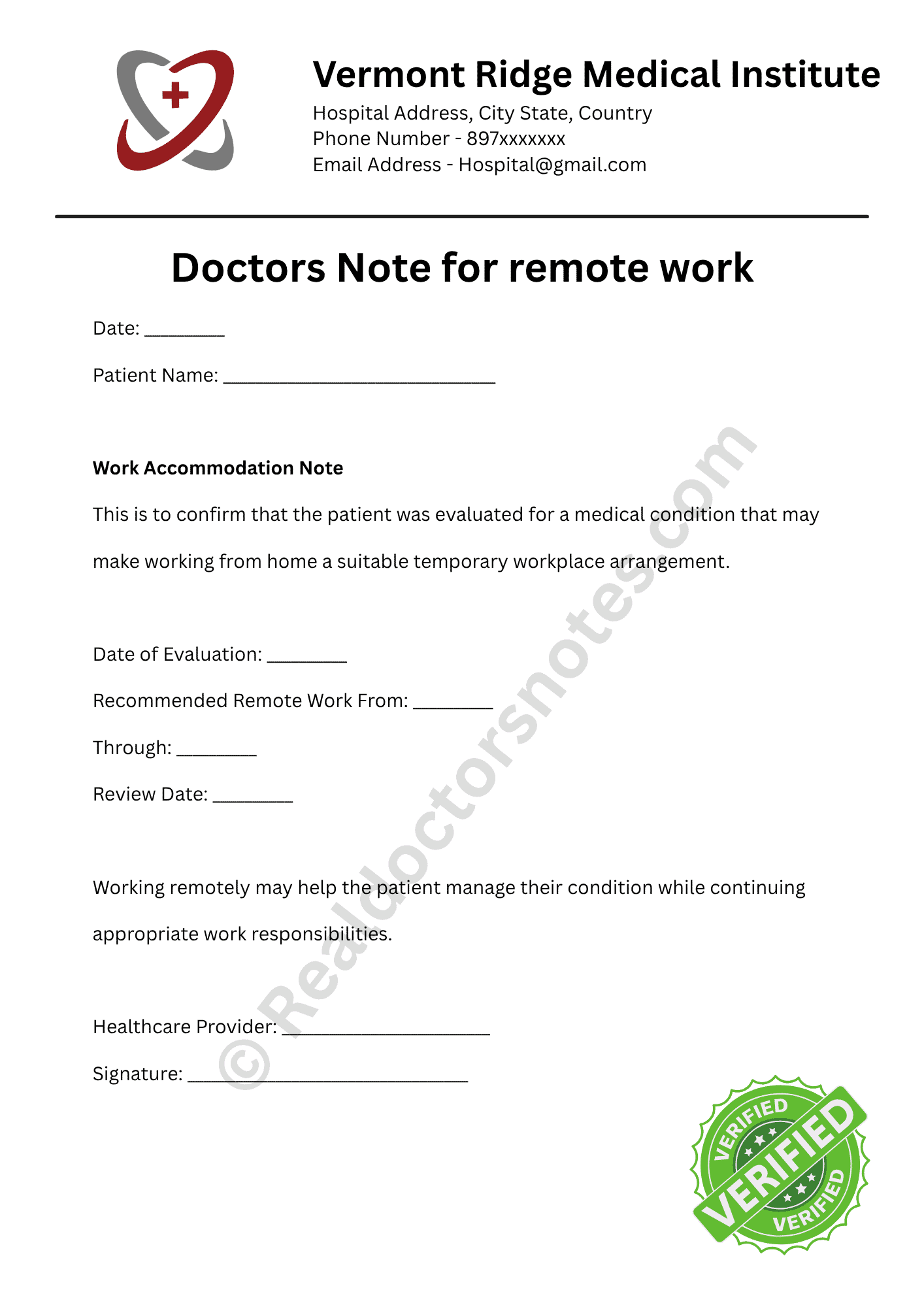
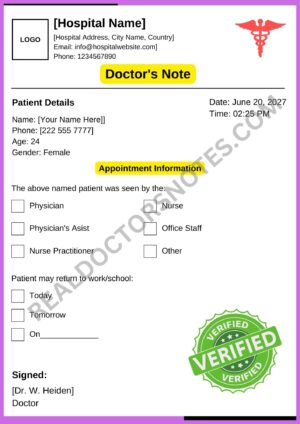
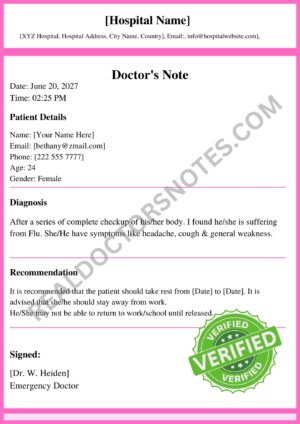
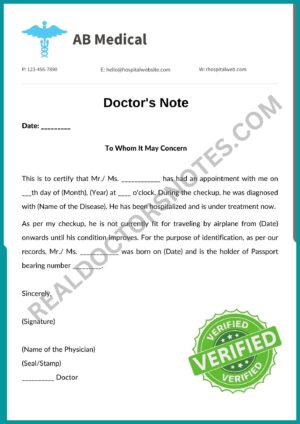
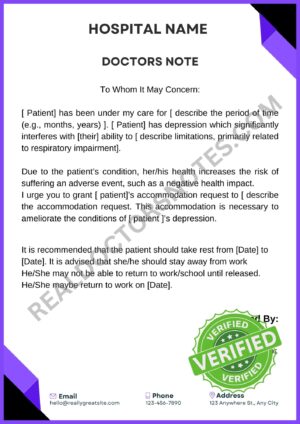
A doctor’s note for remote work may explain the relevant work restrictions, recommend a temporary work-from-home arrangement, and indicate how long the arrangement may be needed. The note does not necessarily need to disclose every detail of an employee’s medical history.
Employees should discuss the recommendation with their employer or HR department. Approval depends on workplace policies, job responsibilities, and applicable employment laws. If remote work is not possible, alternative accommodations—such as adjusted hours, additional breaks, or modified duties—may be worth discussing.













Reviews
There are no reviews yet.