![Real Doctors Note For Work and School [Get in 5 Minutes]](https://realdoctorsnotes.com/wordpress/wp-content/uploads/2025/11/2.png)


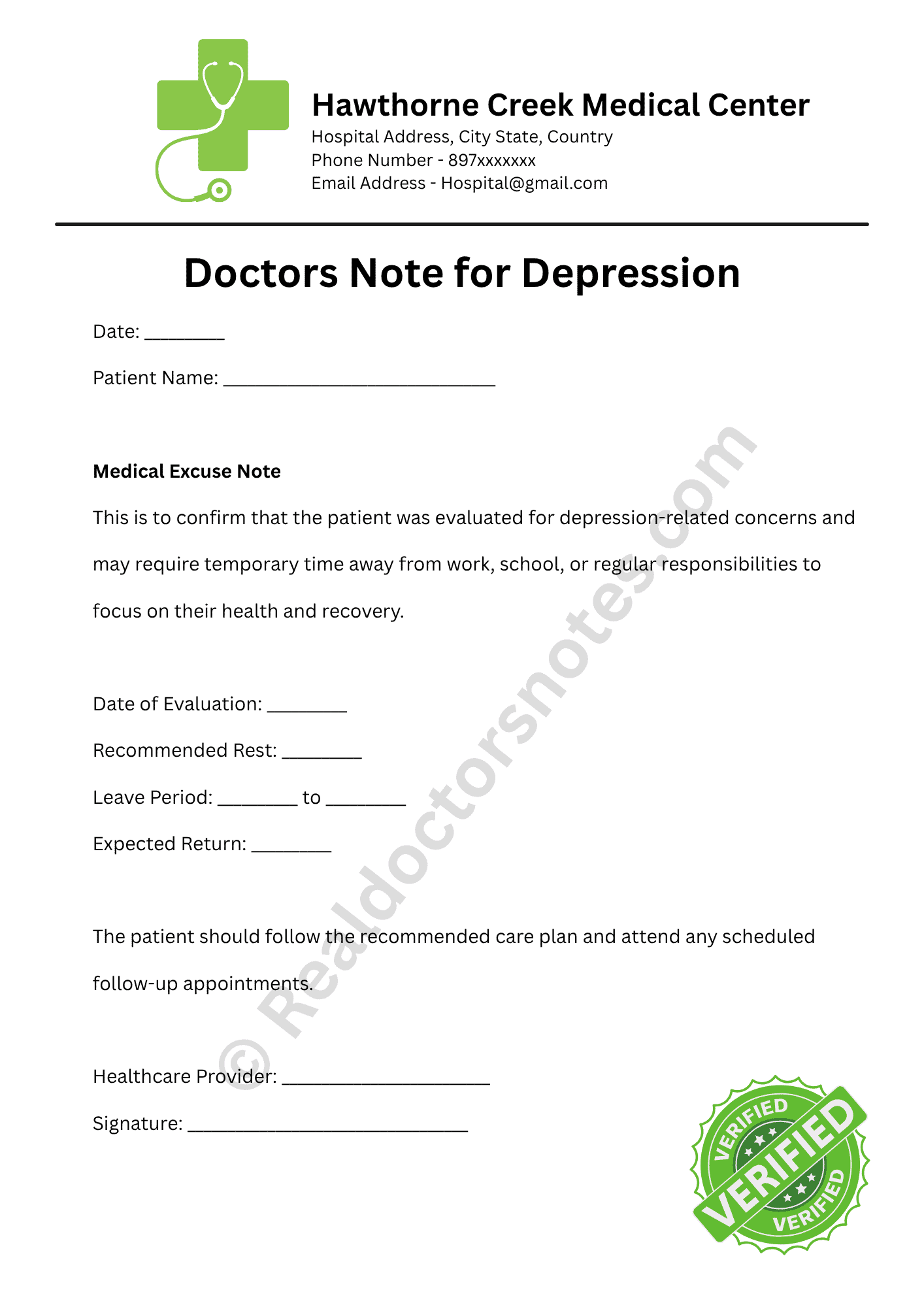
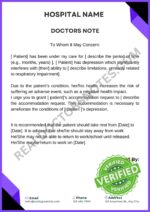
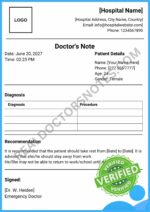
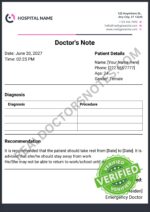

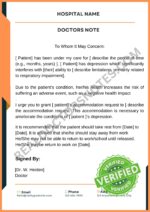
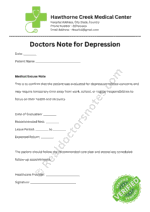

Doctors Note for Depression may be provided by a healthcare provider when depression significantly affects a person’s ability to work, attend school, or manage daily responsibilities. Depression is a common mental health condition that affects how a person feels, thinks, and manages daily activities. Unlike temporary sadness, depression can last for weeks or months and may interfere with work, school, relationships, sleep, appetite, and concentration. Symptoms vary from person to person, and treatment plans are based on individual needs.
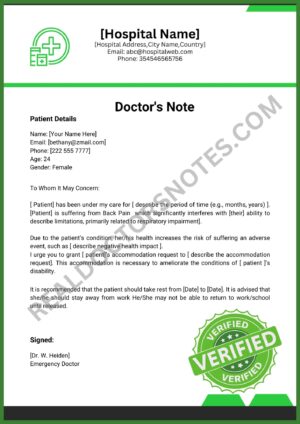
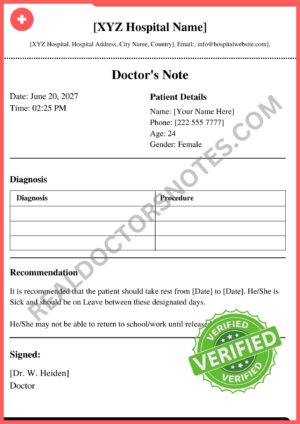
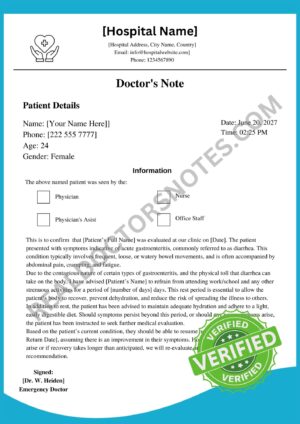
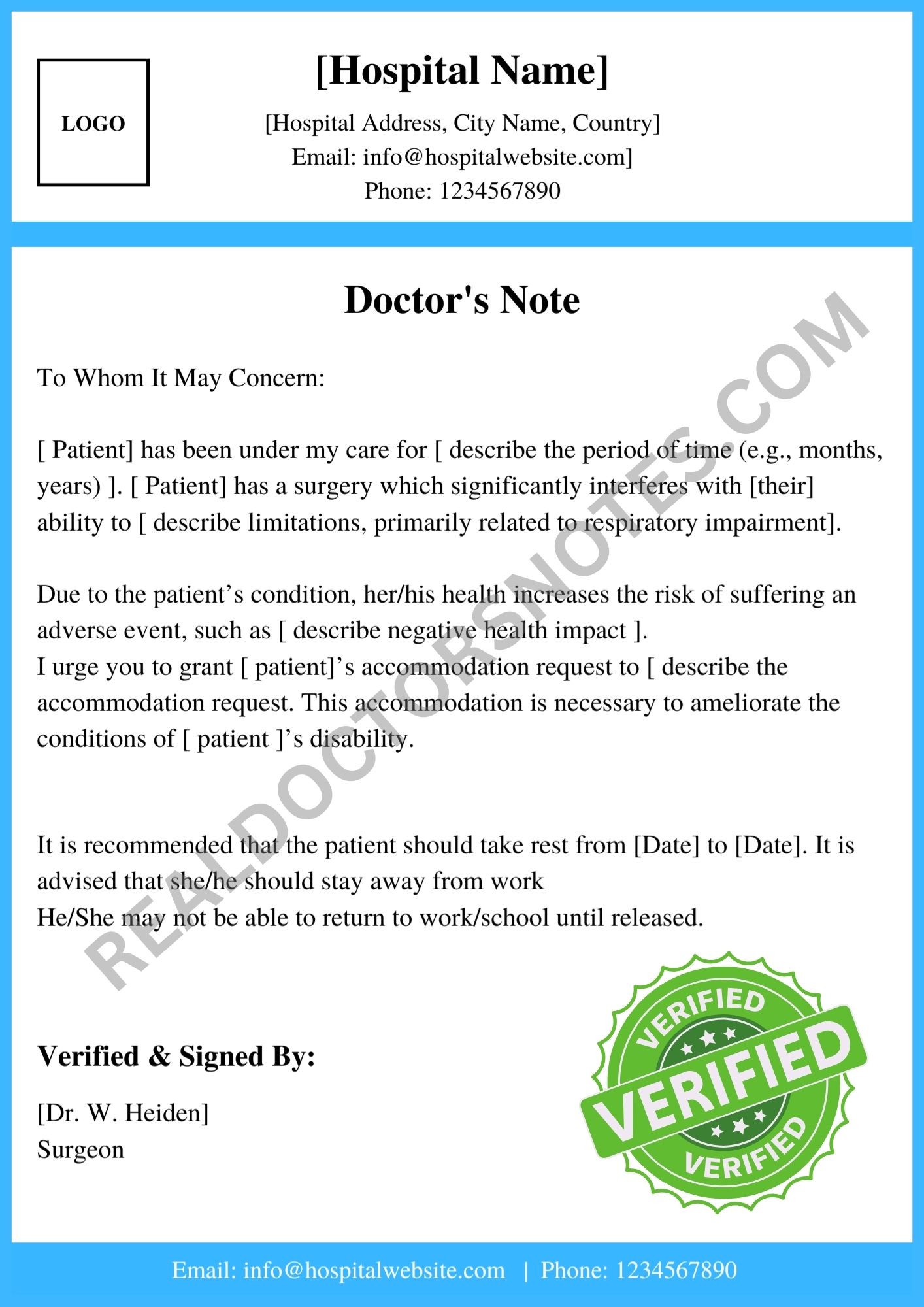
A healthcare provider may recommend temporary time away from work or school, ongoing treatment, or other accommodations, depending on the severity of symptoms and their impact on daily functioning. A doctor’s note for depression may provide documentation when medical leave or temporary adjustments are appropriate.
Related Post:
- Doctors Note for Mental Health
- Doctors Note for Anxiety
- Doctors Note for stress
- Doctors Note for Panic Disorder
Why Someone May Need a Doctor’s Note for Depression
A doctor’s note may be needed when depression affects a person’s ability to carry out normal responsibilities safely or effectively.
Common situations include:
- Temporary leave from work
- School or college absence
- Mental health treatment appointments
- Therapy or counseling sessions
- Medication adjustments
- Workplace accommodations
- Reduced work schedule
- Return-to-work planning
- Medical documentation for leave requests
- Recovery support
Types of Depressive Disorders
Major Depressive Disorder (MDD)
Major Depressive Disorder is characterized by persistent low mood and loss of interest in activities that lasts for at least two weeks and significantly affects daily life.
Common symptoms include:
- Persistent sadness
- Loss of interest
- Fatigue
- Difficulty concentrating
- Sleep changes
Persistent Depressive Disorder (Dysthymia)
This condition involves long-lasting depressive symptoms that continue for two years or longer in adults.
Common symptoms include:
- Low energy
- Poor self-esteem
- Difficulty making decisions
- Changes in appetite
- Ongoing low mood
Seasonal Affective Disorder (SAD)
Seasonal Affective Disorder is linked to seasonal changes, often occurring during the fall and winter months when daylight hours are shorter.
Common symptoms include:
- Low mood
- Fatigue
- Increased sleep
- Reduced motivation
- Changes in appetite
Postpartum Depression
Postpartum depression can develop after childbirth and affects emotional well-being, daily functioning, and the ability to care for oneself or a baby.
Common symptoms include:
- Persistent sadness
- Anxiety
- Difficulty bonding with the baby
- Fatigue
- Feelings of hopelessness
Premenstrual Dysphoric Disorder (PMDD)
PMDD is a severe form of premenstrual syndrome that causes significant mood changes before menstruation.
Common symptoms include:
- Mood swings
- Irritability
- Anxiety
- Fatigue
- Difficulty concentrating
Depression Related to Medical Conditions
Certain chronic illnesses or medical conditions may contribute to depressive symptoms and require comprehensive medical evaluation.
Emotional, Physical, and Cognitive Symptoms of Depression
Depression can affect several areas of health.
Emotional Symptoms
- Persistent sadness
- Hopelessness
- Irritability
- Feelings of guilt
- Loss of interest in activities
Physical Symptoms
- Fatigue
- Changes in appetite
- Sleep disturbances
- Low energy
- Unexplained body aches
Cognitive Symptoms
- Difficulty concentrating
- Memory problems
- Slower thinking
- Trouble making decisions
- Reduced focus
How Depression Can Affect Daily Life
Depression may interfere with many aspects of everyday life.
Possible effects include:
- Reduced work performance
- Difficulty attending school
- Lower productivity
- Reduced motivation
- Challenges with relationships
- Difficulty completing household responsibilities
- Poor concentration
- Less interest in hobbies
- Social withdrawal
Common Risk Factors for Depression
Several factors may increase the likelihood of developing depression.
These include:
- Family history of depression
- Chronic medical conditions
- Major life changes
- Traumatic experiences
- Long-term stress
- Hormonal changes
- Certain medications
- Alcohol or substance misuse
Having one or more risk factors does not necessarily mean someone will develop depression.
How Depression Is Diagnosed
Healthcare providers evaluate depression through a comprehensive assessment.
The evaluation may include:
- Medical history review
- Mental health interview
- Physical examination when appropriate
- Depression screening questionnaires
- Review of current medications
- Assessment for other medical conditions that may affect mood
Diagnosis should always be made by a qualified healthcare professional.
Treatment Options for Depression
Treatment plans vary depending on symptoms and individual needs.
Common treatment approaches include:
- Psychotherapy
- Cognitive Behavioral Therapy (CBT)
- Medication when prescribed
- Lifestyle changes
- Support groups
- Stress management techniques
- Regular follow-up appointments
Many people improve with a combination of treatments and ongoing support.
Workplace Accommodations for Depression
Some individuals may benefit from temporary workplace adjustments during treatment and recovery.
Possible accommodations include:
- Flexible work schedule
- Reduced workload
- Remote work options
- Quiet workspace
- Time for therapy appointments
- Modified responsibilities
- Temporary medical leave
Accommodation decisions depend on individual circumstances and workplace policies.
Returning to Work or School After Depression
Returning to daily activities should be based on recovery progress and healthcare provider recommendations.
Factors considered may include:
- Symptom improvement
- Treatment effectiveness
- Ability to complete responsibilities
- Emotional well-being
- Workplace accommodations
- School demands
Recovery timelines vary for each individual.
Self-Care Strategies That Support Recovery
Healthy habits can complement professional treatment.
Helpful strategies include:
- Maintain a regular sleep schedule
- Eat balanced meals
- Stay physically active
- Practice relaxation techniques
- Keep regular therapy appointments
- Follow prescribed treatment plans
- Spend time with supportive people
- Limit alcohol and recreational drug use
Self-care should be used alongside—not instead of—professional medical care.
When to Seek Immediate Medical Help
Seek urgent medical attention if depression symptoms become severe or if there are concerns about personal safety.
Emergency care should be sought if a person:
- Has thoughts of self-harm or suicide
- Feels unable to stay safe
- Experiences severe emotional distress
- Shows sudden changes in behavior
If you or someone else is in immediate danger, contact your local emergency services or a crisis support service right away.
Can You Get a Doctor’s Note for Depression Through Telehealth?
Yes, you may be able to get a doctor’s note for depression through telehealth, depending on your symptoms and the healthcare provider’s assessment. Depression can affect mood, energy levels, concentration, sleep, and the ability to manage daily responsibilities. During a virtual consultation, a licensed healthcare professional can discuss your symptoms, medical history, and how your condition affects your work or school attendance.
If medically appropriate, the provider may recommend time off, reduced working hours, temporary remote work, or other adjustments to support your recovery. A doctor’s note may document the recommended leave period, work restrictions, or need for follow-up care. Some situations require additional evaluation or an in-person appointment, and receiving a note is not guaranteed. Approval for leave or workplace accommodations also depends on applicable laws and employer policies.
If depression is making everyday activities difficult, consider contacting a qualified healthcare professional for an assessment and treatment options. Seeking help early can support your well-being and recovery. If you feel unable to keep yourself safe or are thinking about harming yourself, seek immediate support from emergency services or a trusted person.
FAQs
Q. Can depression qualify for medical leave?
Depending on symptom severity and local workplace policies, a healthcare provider may recommend temporary medical leave.
Q. Can a doctor provide a note for depression?
Yes. A licensed healthcare provider may provide documentation when medically appropriate.
Q. Is depression considered a medical condition?
Yes. Depression is a recognized mental health condition that can affect emotional, physical, and cognitive functioning.
Q. Can therapy help with depression?
Many individuals benefit from psychotherapy, including Cognitive Behavioral Therapy (CBT), as part of a treatment plan.
Q. Can depression affect work performance?
Yes. Depression may affect concentration, motivation, energy levels, attendance, and productivity.
Q. Can depression improve with treatment?
Many people experience significant improvement with appropriate treatment and ongoing care.
Q. Can students receive a doctor’s note for depression?
Yes. Healthcare providers may provide documentation to support school absences or accommodations when appropriate.
Q. How often should depression treatment be reviewed?
Treatment plans are reviewed based on individual progress and healthcare provider recommendations.
Q. Can depression return after improvement?
Some individuals experience recurrent episodes, making ongoing follow-up care important.
Q. Can stress contribute to depression?
Long-term stress may increase the risk of developing or worsening depressive symptoms.





Reviews
There are no reviews yet.