




A doctors note for postpartum depression is a document that helps the patient prove that they have been diagnosed with this condition. Common among new mothers, postpartum depression (PPD) includes the presence of anxiety, sadness and fatigue following childbirth, motivating women to seek or sustain addictions to navigate new motherhood. A doctor’s note is required for work or school time off, enabling people to take time away from the workplace or classroom to seek treatment and recovery. It might also explain accommodations needed, such as therapy or medications, in order to support that person’s well-being. Doctors Note Sorry, but the first thing you need is a doctors note which is essentially what you need to manage PPD and get the care that you need to heal during this life change.
The postpartum depression doctors notes also cover the treatment options the doctor suggests, including therapy, medication, and lifestyle changes. This could be things like being allowed to change your work schedule because your postpartum depression is impacting your ability to cope. It is clear in audience-appropriate language establishing understanding of the diagnosis and actions needed, while adhering to confidentiality and professional language guidelines.
Related Post:
- Doctors Note for Mental Health
- Doctors Note for Depression
- Doctors Note for Anxiety
- Doctors Note for Maternity Leave
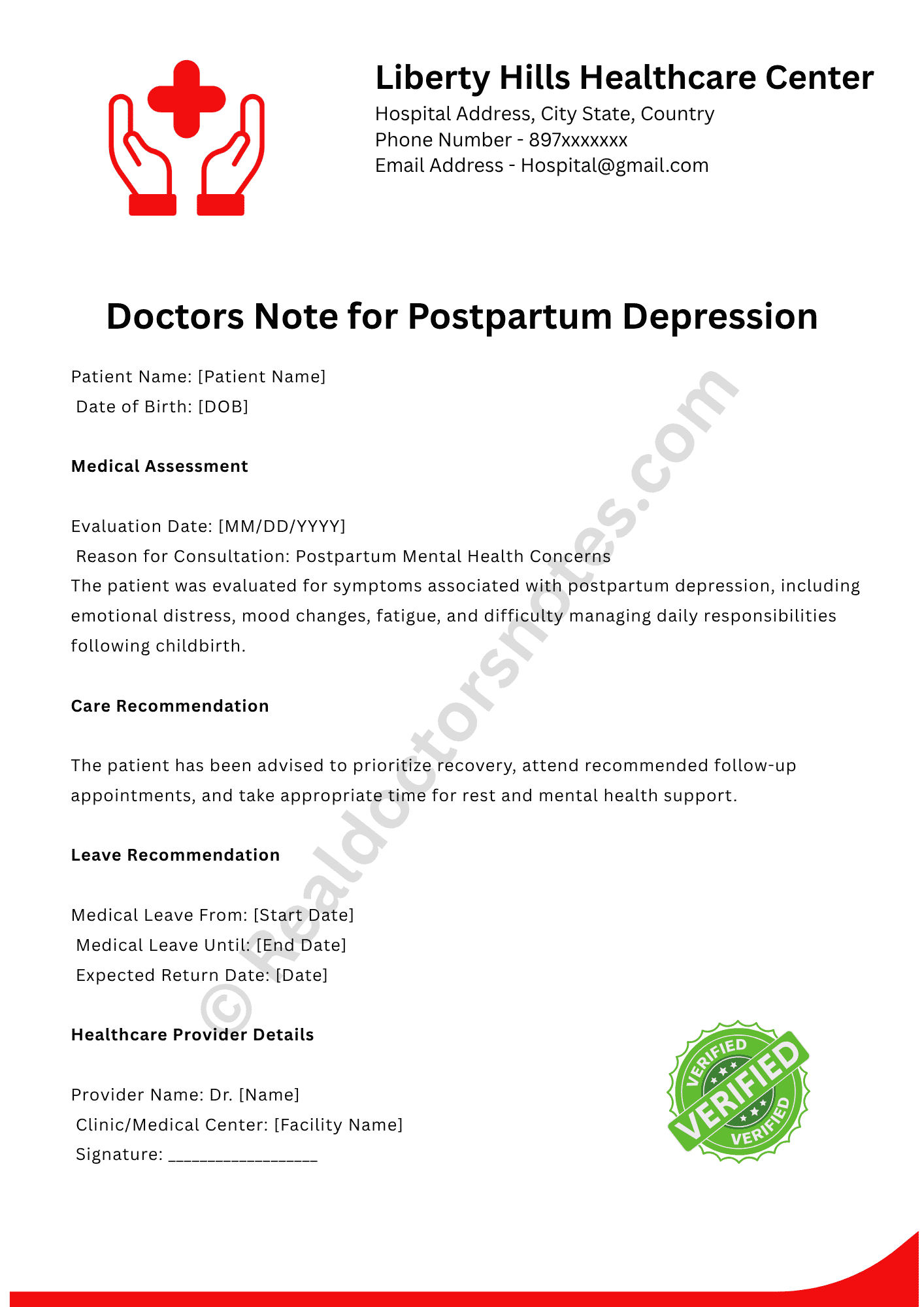
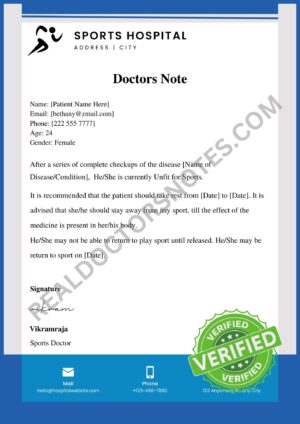
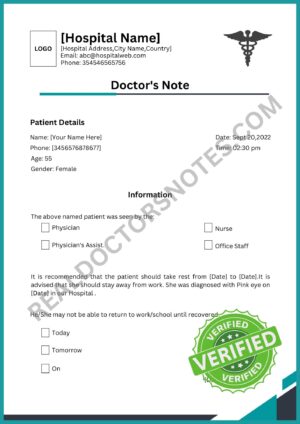
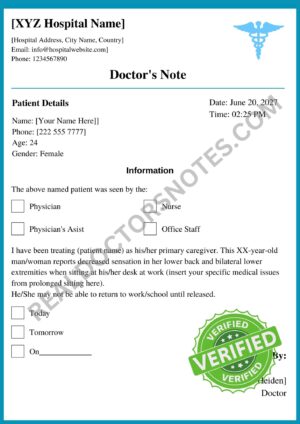
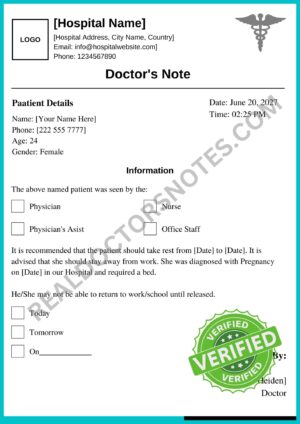
Printable Doctors Note for postpartum depression Template
-
Professional Validation
A note from a doctor is a formal acknowledgement of postpartum depression, giving a person’s struggles a name and a reality, so that their employer, their health-care provider or their insurer can’t dismiss them as emotional.
-
Workplace Accommodations
This lets new mothers ask their workplace for whatever they need whether they need to work from home or have flexible hours or an ergonomic seat or whatever it is to help them juggle their return to work and their new life.”
-
Access to Support Services
A note from a doctor often links new mothers to mental health resources and counseling and support groups that can offer vital emotional and psychological care.
-
Legal Protection
It is the basic records on which counterclaims of workplace rights violation for disability or family leave can be made under laws, where you have to conform with policies that have an obligation with your mental health to protect and provide for you.
-
Customized Treatment Plans
It enables the clinician to write prescriptions, recommendations, therapies or treatments, especially the personalized needs of the person in need.
-
Encourages Open Communication
A doctor’s note encourages transparency between employees and employers, leaning into honest dialogue about mental health and the need for support systems.
-
Reduces Stigma
“It’s so hot, so exciting, when you go like, ‘Oh, a doctor is on top of me with my postpartum depression’ — because you hear doctors talk about it as if it was not normal — you’re normalizing it, and other new mothers aren’t afraid to seek help, because they shouldn’t be judged or biased.”
-
Basic Strategy : Enhanced Relationships And Productivity
The earlier and more personalized the therapy, the more effective the treatment is, which in turn means that work can become easier again.
-
Personal Empowerment
I think the program helps moms give themselves the resources and support so that they can truly work on themselves and ultimately their health and confidence going forward.
-
Long-Term Health Benefits
A doctor’s note unlocks early treatments and interventions that protect long-term mental health and help new mothers thrive personally and professionally.
Who May Need a Postpartum Depression Doctor’s Note?
A postpartum depression doctor’s note may be appropriate for individuals who need official medical documentation to explain their temporary inability to work, attend school, or perform certain responsibilities due to postpartum depression. Every case is unique, and recommendations depend on a licensed healthcare provider’s evaluation.
Common situations include:
- Mothers experiencing moderate or severe postpartum depression symptoms.
- Employees requesting sick leave or medical leave from work.
- Individuals needing temporary workplace accommodations during treatment.
- Mothers returning to work after maternity leave who require additional recovery time.
- Employees applying for short-term disability benefits when eligible.
- Individuals requesting documentation for Family and Medical Leave Act (FMLA) leave or similar programs where applicable.
- College or university students requesting academic accommodations.
- Mothers attending ongoing therapy or psychiatric appointments.
- Patients beginning antidepressant medication and adjusting to treatment.
- Individuals whose symptoms significantly affect concentration, sleep, or daily functioning.
- Mothers advised by their healthcare provider to temporarily reduce work-related stress.
- Employees needing documentation for Human Resources (HR) regarding medically recommended leave.
Obtaining a doctor’s note helps ensure that employers or educational institutions receive appropriate documentation while respecting patient confidentiality.
Common Symptoms of Postpartum Depression
Postpartum depression affects every individual differently. Some people experience mild symptoms that gradually worsen, while others develop more severe emotional and physical challenges that interfere with daily life. If symptoms persist for more than two weeks or significantly impact daily functioning, professional medical evaluation is recommended.
Common symptoms include:
- Persistent sadness or low mood.
- Frequent crying without an obvious reason.
- Feeling overwhelmed by everyday responsibilities.
- Difficulty bonding with the baby.
- Anxiety or excessive worrying.
- Panic attacks.
- Irritability or mood swings.
- Loss of interest in activities previously enjoyed.
- Difficulty concentrating or making decisions.
- Fatigue that does not improve with rest.
- Sleeping too much or having trouble sleeping.
- Changes in appetite or weight.
- Feelings of guilt, worthlessness, or hopelessness.
- Social withdrawal from family and friends.
- Difficulty caring for oneself or the baby.
- Reduced motivation to complete daily tasks.
- Low energy and emotional exhaustion.
- Increased sensitivity to stress.
- Trouble remembering information.
- Feeling emotionally numb.
When to Seek Immediate Medical Attention
Emergency medical care should be sought immediately if postpartum depression is accompanied by:
- Thoughts of self-harm.
- Thoughts of harming the baby.
- Hallucinations.
- Delusions or severe confusion.
- Extreme mood changes.
- Loss of touch with reality.
- Symptoms of postpartum psychosis.
These symptoms require urgent evaluation by a qualified healthcare professional or emergency medical services.
What Information Is Included in a Postpartum Depression Doctor’s Note?
Although the exact format varies by healthcare provider, a professionally issued postpartum depression doctor’s note generally contains the information necessary to verify a medical evaluation while maintaining patient privacy.
A typical doctor’s note may include:
What Is a Postpartum Depression Doctor’s Note?
A Postpartum Depression Doctor’s Note is a medical document provided by a licensed healthcare professional after evaluating a patient experiencing symptoms of postpartum depression (PPD). It confirms that the individual has been assessed and may require medical leave, workplace accommodations, reduced duties, or time away from school to focus on recovery.
Postpartum depression is a serious mental health condition that can develop after childbirth and affects emotional, physical, and cognitive well-being. Unlike the temporary “baby blues,” postpartum depression can last for weeks or months and often requires professional treatment. A doctor’s note helps document the medical need for leave while protecting patient privacy by including only the information necessary for employers, schools, or organizations.
Depending on the medical evaluation, the note may recommend temporary leave, flexible scheduling, work restrictions, follow-up appointments, or a gradual return-to-work plan. The exact recommendations vary based on the patient’s symptoms, treatment progress, and healthcare provider’s clinical judgment.
Who May Need a Postpartum Depression Doctor’s Note?
A postpartum depression doctor’s note may be appropriate for individuals who need official medical documentation to explain their temporary inability to work, attend school, or perform certain responsibilities due to postpartum depression. Every case is unique, and recommendations depend on a licensed healthcare provider’s evaluation.
Common situations include:
- Mothers experiencing moderate or severe postpartum depression symptoms.
- Employees requesting sick leave or medical leave from work.
- Individuals needing temporary workplace accommodations during treatment.
- Mothers returning to work after maternity leave who require additional recovery time.
- Employees applying for short-term disability benefits when eligible.
- Individuals requesting documentation for Family and Medical Leave Act (FMLA) leave or similar programs where applicable.
- College or university students requesting academic accommodations.
- Mothers attending ongoing therapy or psychiatric appointments.
- Patients beginning antidepressant medication and adjusting to treatment.
- Individuals whose symptoms significantly affect concentration, sleep, or daily functioning.
- Mothers advised by their healthcare provider to temporarily reduce work-related stress.
- Employees needing documentation for Human Resources (HR) regarding medically recommended leave.
Obtaining a doctor’s note helps ensure that employers or educational institutions receive appropriate documentation while respecting patient confidentiality.
Can Postpartum Depression Be a Reason to Extend Maternity Leave?
Yes. Postpartum depression may be a valid medical reason for needing additional time away from work after maternity leave. If symptoms are affecting your ability to work, a healthcare provider can evaluate your condition and determine whether more recovery time is medically appropriate.
Depending on your situation, the additional leave may be handled as medical leave, disability leave, FMLA leave, or another type of workplace leave rather than simply an extension of standard maternity leave.
A healthcare provider may provide documentation explaining that you are experiencing a medical condition and need additional time away from work. The documentation may include the recommended period of leave and, when appropriate, an expected return-to-work date.
The exact amount of leave available depends on factors such as your employer’s policies, eligibility for applicable leave programs, and local or federal employment laws. Your employer may also have specific requirements for submitting medical documentation.
If postpartum depression is making it difficult to return to work, talk with a qualified healthcare professional. They can assess your symptoms and provide appropriate medical guidance and documentation based on your individual circumstances.
Common Symptoms of Postpartum Depression
Postpartum depression affects every individual differently. Some people experience mild symptoms that gradually worsen, while others develop more severe emotional and physical challenges that interfere with daily life. If symptoms persist for more than two weeks or significantly impact daily functioning, professional medical evaluation is recommended.
Common symptoms include:
- Persistent sadness or low mood.
- Frequent crying without an obvious reason.
- Feeling overwhelmed by everyday responsibilities.
- Difficulty bonding with the baby.
- Anxiety or excessive worrying.
- Panic attacks.
- Irritability or mood swings.
- Loss of interest in activities previously enjoyed.
- Difficulty concentrating or making decisions.
- Fatigue that does not improve with rest.
- Sleeping too much or having trouble sleeping.
- Changes in appetite or weight.
- Feelings of guilt, worthlessness, or hopelessness.
- Social withdrawal from family and friends.
- Difficulty caring for oneself or the baby.
- Reduced motivation to complete daily tasks.
- Low energy and emotional exhaustion.
- Increased sensitivity to stress.
- Trouble remembering information.
- Feeling emotionally numb.
When to Seek Immediate Medical Attention
Emergency medical care should be sought immediately if postpartum depression is accompanied by:
- Thoughts of self-harm.
- Thoughts of harming the baby.
- Hallucinations.
- Delusions or severe confusion.
- Extreme mood changes.
- Loss of touch with reality.
- Symptoms of postpartum psychosis.
These symptoms require urgent evaluation by a qualified healthcare professional or emergency medical services.
What Information Is Included in a Postpartum Depression Doctor’s Note?
Although the exact format varies by healthcare provider, a professionally issued postpartum depression doctor’s note generally contains the information necessary to verify a medical evaluation while maintaining patient privacy.
A typical doctor’s note may include:
Patient Information
- Full name.
- Date of birth (when appropriate).
- Appointment date.
Healthcare Provider Information
- Provider’s name.
- Medical specialty.
- Clinic or healthcare facility name.
- Contact information.
- Professional credentials.
Medical Evaluation
- Confirmation that the patient was evaluated.
- Medical recommendation regarding leave or accommodations.
- Functional limitations (if appropriate).
- Follow-up appointment recommendations.
Leave Recommendation
- Start date of leave.
- Expected return-to-work or school date (if determined).
- Recommended duration of leave.
- Modified work schedule if necessary.
- Temporary work restrictions.
Workplace Accommodations (When Applicable)
- Reduced work hours.
- Flexible scheduling.
- Additional breaks.
- Remote work recommendation.
- Gradual return-to-work plan.
Authentication
- Provider’s signature (electronic or handwritten, as applicable).
- Date of issuance.
- Official clinic information.
To protect patient privacy, many doctor’s notes do not include a detailed diagnosis unless the patient authorizes disclosure or it is required by applicable policies.
How Long Can a Doctor Excuse You From Work for Postpartum Depression?
The amount of time a healthcare provider may recommend away from work depends entirely on the individual’s medical condition, symptom severity, response to treatment, job responsibilities, and overall recovery progress. There is no standard leave period that applies to every patient.
Possible recommendations may include:
Short-Term Leave (2–7 Days)
A brief leave may be appropriate for individuals with mild symptoms who need immediate rest, begin treatment, or attend follow-up medical appointments.
One to Two Weeks
Patients experiencing moderate symptoms may benefit from additional recovery time while starting therapy, adjusting medications if prescribed, and developing a treatment plan.
Several Weeks
Individuals with more significant symptoms that interfere with daily functioning or job performance may require a longer period of medically recommended leave, along with regular follow-up evaluations.
Extended Medical Leave
Some patients may qualify for longer medical leave depending on their healthcare provider’s assessment, workplace policies, and applicable leave laws. Extended leave decisions are made based on ongoing clinical evaluations rather than a fixed timeline.
Gradual Return to Work
Instead of returning to full-time duties immediately, a healthcare provider may recommend a phased return to work, which could include:
- Reduced work hours.
- Flexible scheduling.
- Hybrid or remote work options (when available).
- Temporary workload adjustments.
- Regular medical follow-up appointments.
Recovery from postpartum depression is different for every individual. Returning to work should be based on medical guidance and the patient’s ability to safely perform essential job responsibilities. Employers should follow applicable workplace policies and legal requirements when reviewing medical documentation.
Can You Get a Postpartum Depression Doctor’s Note Online?
Yes, in many cases, you can obtain a Postpartum Depression Doctor’s Note through a licensed telehealth provider if online medical services are available in your state or country. A virtual consultation allows a qualified healthcare professional to assess your symptoms, discuss your medical history, and determine whether a doctor’s note or medical leave is appropriate based on your condition.
Telehealth has become a convenient option for new mothers who may find it difficult to travel due to postpartum recovery, childcare responsibilities, or mental health challenges. During the consultation, the healthcare provider may ask about your symptoms, emotional well-being, sleep patterns, appetite, ability to care for yourself and your baby, and any previous history of anxiety or depression.
If the provider determines that medical documentation is appropriate, you may receive a secure digital doctor’s note that can typically be downloaded as a PDF or sent electronically. However, receiving a doctor’s note is never guaranteed and depends entirely on the provider’s professional medical judgment.
Benefits of Getting a Doctor’s Note Online
- Convenient virtual appointments from home.
- No need to travel with a newborn.
- Faster access to licensed healthcare providers.
- Secure digital medical documentation.
- Private and confidential consultations.
- Same-day appointments may be available in some locations.
- Easy PDF delivery for employers or schools.
- Follow-up appointments can often be scheduled online.
What to Expect During an Online Consultation
Your provider may discuss:
- Current postpartum symptoms.
- Emotional and mental health history.
- Physical recovery after childbirth.
- Sleep quality and energy levels.
- Daily functioning.
- Ability to perform work responsibilities.
- Current medications.
- Previous mental health treatment.
- Family support system.
- Recommended treatment options.
The consultation is intended to determine the most appropriate care plan, which may include therapy, medication, follow-up care, or a recommendation for medical leave.
Is an Online Postpartum Depression Doctor’s Note Valid?
An online doctor’s note may be considered valid when it is issued by a licensed healthcare professional who has conducted an appropriate medical evaluation in accordance with applicable laws and professional standards. Whether an employer, school, or organization accepts an online doctor’s note depends on its internal policies and local regulations.
Many employers now recognize telehealth documentation because virtual healthcare has become widely accepted. However, acceptance requirements can vary.
A Valid Online Doctor’s Note Typically Includes
- Patient’s name.
- Date of consultation.
- Date of issue.
- Healthcare provider’s name.
- Professional credentials.
- Medical recommendation.
- Recommended leave period (if applicable).
- Provider’s signature or secure electronic signature.
- Clinic or healthcare facility information.
Employer Acceptance
Many employers accept online doctor’s notes when:
- The evaluation was completed by a licensed provider.
- The document contains all required information.
- The note is authentic and verifiable.
- Company attendance policies allow telehealth documentation.
Some employers may request additional verification or require documentation that complies with their specific leave policies.
School Acceptance
Many colleges, universities, and educational institutions accept online medical documentation for excused absences, although individual policies differ.
Insurance Considerations
Insurance providers may have separate requirements regarding medical documentation. Patients should review their specific policy or contact their insurer if documentation is required for benefits or reimbursement.
Treatment Options for Postpartum Depression
Postpartum depression is a treatable medical condition, and early intervention often leads to better outcomes. Treatment recommendations vary depending on symptom severity, medical history, and individual needs. A healthcare provider will develop a personalized treatment plan after a comprehensive evaluation.
Psychotherapy (Talk Therapy)
Therapy is one of the most effective treatments for postpartum depression. Common approaches include:
- Cognitive Behavioral Therapy (CBT).
- Interpersonal Therapy (IPT).
- Individual counseling.
- Family therapy.
- Couples counseling.
Therapy helps patients understand their emotions, develop healthy coping strategies, improve communication, and manage stress.
Medication
For moderate to severe postpartum depression, a healthcare provider may recommend antidepressant medication when appropriate. Medication decisions are based on factors such as:
- Symptom severity.
- Medical history.
- Breastfeeding status.
- Current medications.
- Potential risks and benefits.
Medication should only be started, adjusted, or stopped under medical supervision.
Lifestyle Changes
Healthy daily habits can support recovery alongside professional treatment.
Helpful lifestyle strategies include:
- Prioritizing sleep whenever possible.
- Eating balanced, nutritious meals.
- Staying hydrated.
- Gentle physical activity after medical clearance.
- Spending time outdoors.
- Limiting unnecessary stress.
- Accepting help from trusted family or friends.
Support Groups
Support groups provide opportunities to connect with others experiencing similar challenges. Sharing experiences can reduce feelings of isolation and encourage emotional healing.
Family Support
Recovery often improves when family members understand postpartum depression and provide practical and emotional support. Loved ones can assist with childcare, household responsibilities, transportation, and attending appointments.
Follow-Up Care
Regular follow-up visits allow healthcare providers to monitor symptoms, evaluate treatment progress, and adjust the care plan if needed.
Postpartum Depression vs. Baby Blues
Many new mothers experience emotional changes after childbirth, but postpartum depression is different from the temporary “baby blues.” Understanding these differences can help individuals recognize when professional medical care may be needed.
Workplace Accommodations for Postpartum Depression
Recovering from postpartum depression while returning to work can be challenging. Depending on a healthcare provider’s recommendations and applicable workplace policies, some employees may benefit from temporary accommodations that support their recovery while allowing them to continue working safely and effectively.
Accommodations should be based on an individual medical evaluation and the essential duties of the employee’s role.
Examples of Workplace Accommodations
- Flexible work schedules.
- Reduced working hours.
- Hybrid or remote work arrangements (when available).
- Additional rest breaks during the workday.
- Temporary modification of job duties.
- Reduced workload during recovery.
- Gradual return-to-work programs.
- Time off for therapy or medical appointments.
- Temporary reassignment to less stressful tasks.
- Flexible start and end times.
- Additional unpaid or medical leave if medically necessary.
- Quiet workspace to reduce distractions.
These accommodations may help employees manage treatment while maintaining productivity and supporting their recovery.
Common Work Restrictions for Postpartum Depression
A healthcare provider may recommend temporary work restrictions if postpartum depression significantly affects a person’s ability to safely perform their job responsibilities. Restrictions vary depending on the individual’s symptoms, treatment progress, and job requirements.
Examples of temporary work restrictions include:
- Reduced daily work hours.
- No overtime shifts.
- Avoiding overnight or rotating shifts.
- Limiting high-stress responsibilities.
- Temporary relief from customer-facing duties.
- Scheduled breaks throughout the day.
- Time off for counseling or psychiatric appointments.
- Temporary remote work when appropriate.
- Gradual increase in workload over time.
- Regular follow-up evaluations before returning to full duties.
These restrictions are typically temporary and may change as the individual’s condition improves.
How to Request a Postpartum Depression Doctor’s Note
If you believe postpartum depression is affecting your ability to work, attend school, or perform daily responsibilities, seeking professional medical care is the first step. A healthcare provider can evaluate your symptoms and determine whether a doctor’s note or other medical documentation is appropriate.
Step 1: Schedule an Appointment
Book an appointment with a licensed healthcare provider, such as:
- Primary care physician.
- OB-GYN.
- Psychiatrist.
- Nurse practitioner.
- Licensed telehealth provider (where available).
Step 2: Discuss Your Symptoms Honestly
During your appointment, describe your symptoms in detail, including:
- Persistent sadness.
- Anxiety.
- Difficulty sleeping.
- Loss of interest in activities.
- Trouble bonding with your baby.
- Difficulty concentrating.
- Fatigue.
- Emotional distress.
- Problems performing work responsibilities.
Providing accurate information helps your provider make an informed medical assessment.
Step 3: Complete the Medical Evaluation
Your provider may:
- Review your medical history.
- Ask about your pregnancy and delivery.
- Discuss your emotional well-being.
- Evaluate symptom severity.
- Assess daily functioning.
- Screen for postpartum depression using validated assessment tools.
- Recommend treatment options.
Step 4: Receive Your Doctor’s Note (If Appropriate)
If your healthcare provider determines that medical documentation is appropriate, the note may include:
- Date of evaluation.
- Recommended leave period.
- Work restrictions (if any).
- Return-to-work recommendations.
- Follow-up appointment instructions.
The specific contents depend on your provider’s clinical judgment and applicable policies.
Step 5: Submit the Documentation
Provide the doctor’s note to your employer, school, or other organization according to their documentation requirements. Follow any internal procedures or deadlines to help avoid delays in processing your request.
How Employers Use Medical Notes
A postpartum depression doctor’s note helps employers understand that an employee has been medically evaluated and may need temporary leave or workplace accommodations. In most cases, the note is used to verify the need for leave rather than disclose detailed medical information.
Employers may use the documentation to:
- Review requests for sick leave.
- Process medical leave applications.
- Evaluate workplace accommodation requests.
- Coordinate return-to-work planning.
- Update attendance records.
- Verify medical documentation.
- Support compliance with company leave policies.
- Determine eligibility for available employee benefits.
Most employers only require information necessary to manage leave or accommodations and should respect employee privacy in accordance with applicable laws.
FAQs
1. Can I get a doctor’s note for postpartum depression?
Yes. If a licensed healthcare provider determines that medical documentation is appropriate after evaluating your condition, they may issue a doctor’s note recommending leave, work restrictions, or other accommodations.
2. Can I get a postpartum depression doctor’s note online?
In many locations, yes. Licensed telehealth providers can evaluate eligible patients through a virtual consultation and determine whether medical documentation is appropriate.
3. Is an online doctor’s note accepted by employers?
Many employers accept online doctor’s notes issued by licensed healthcare providers. However, acceptance depends on your employer’s attendance and leave policies.
4. How long can I be off work for postpartum depression?
There is no standard leave period. The duration depends on your symptoms, treatment plan, job responsibilities, and your healthcare provider’s medical assessment.
5. Will my doctor’s note mention postpartum depression?
Not necessarily. Many doctor’s notes only include the medical recommendation without listing the specific diagnosis, unless disclosure is authorized or required.




Reviews
There are no reviews yet.