![Real Doctors Note For Work and School [Get in 5 Minutes]](https://realdoctorsnotes.com/wordpress/wp-content/uploads/2025/11/2.png)

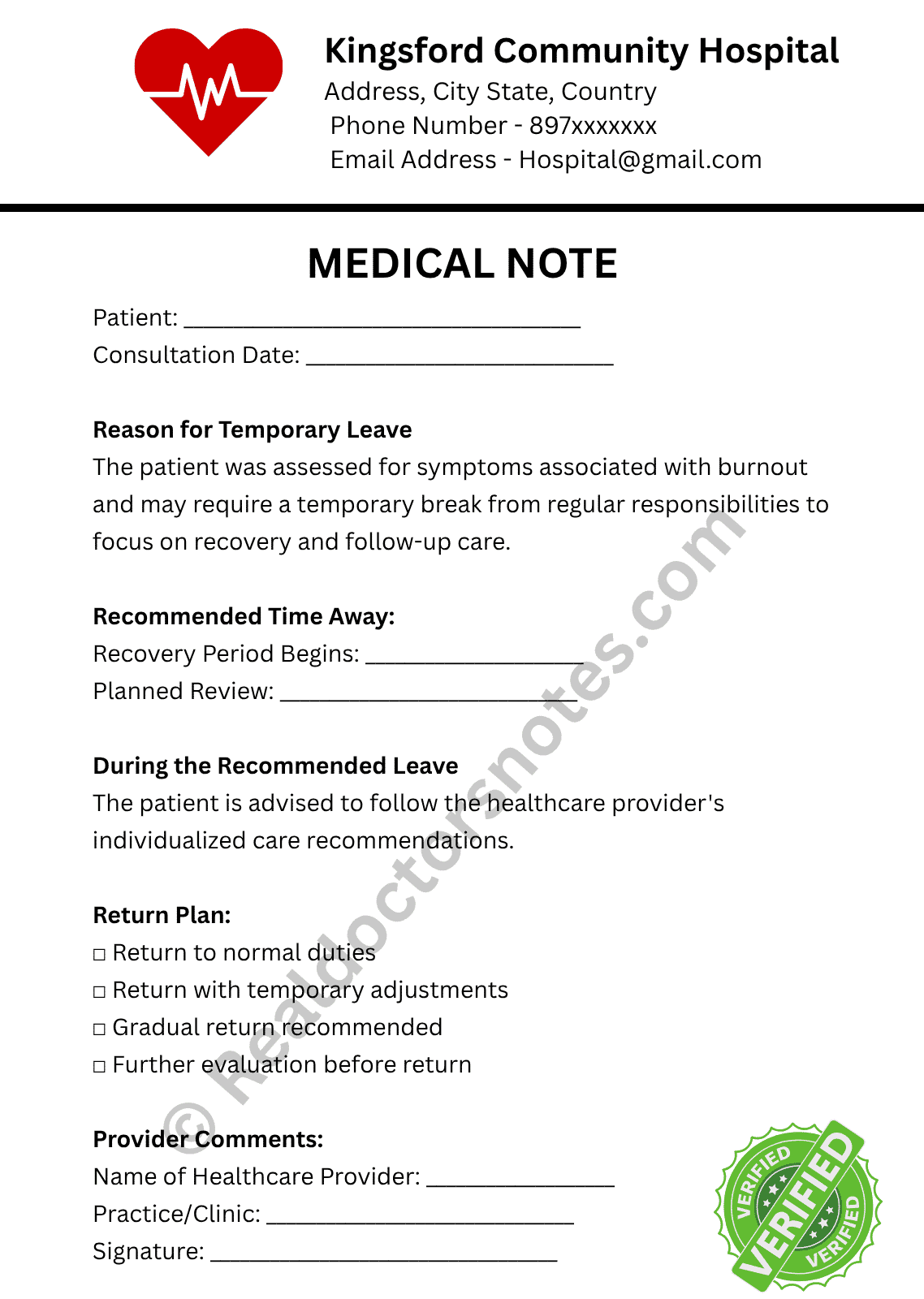

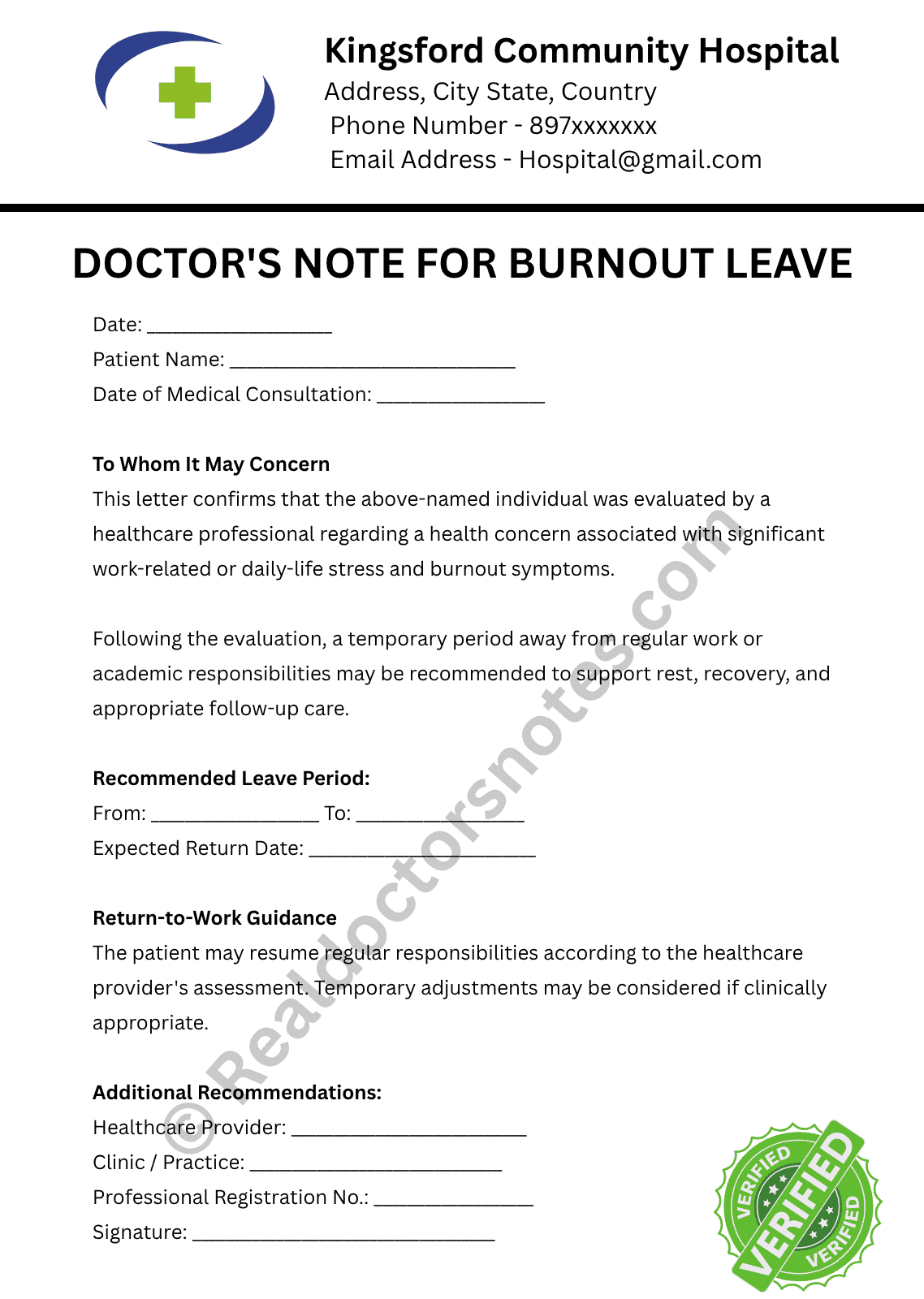



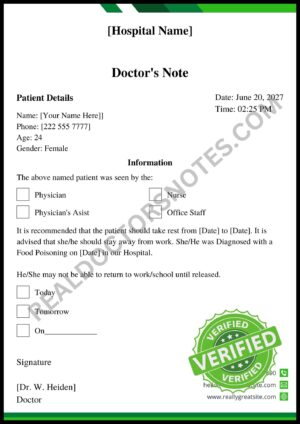
A Doctor’s Note for Burnout Leave can document that a healthcare professional has evaluated someone whose stress, exhaustion, or related symptoms are affecting their ability to continue normal work duties. Depending on the medical assessment, the provider may recommend time away from work, temporary restrictions, or other appropriate workplace adjustments.
When Might Burnout Affect Your Work?
Work-related burnout can gradually interfere with everyday responsibilities rather than appearing all at once. A person may notice that tasks that were previously manageable now feel unusually difficult.
Work may become harder when someone is dealing with:
- Persistent mental exhaustion
- Trouble staying focused during meetings or tasks
- Reduced ability to make routine decisions
- Poor sleep affecting daytime functioning
- Feeling emotionally drained after work
- Difficulty maintaining normal productivity
- Increased frustration or sensitivity
- Physical symptoms associated with prolonged stress
These experiences can have different causes. A medical evaluation can help determine whether the symptoms are related to burnout, another health concern, or a combination of factors.
What Happens During a Medical Evaluation?
When discussing burnout with a doctor or other qualified healthcare professional, the appointment may involve questions about symptoms, daily functioning, sleep, stress levels, work circumstances, and how long the difficulties have been occurring.
The provider may also ask how the symptoms affect activities outside the workplace. This information helps the clinician understand the overall situation rather than basing a recommendation on the job title alone.
If the provider believes time away from work is medically appropriate, they can determine what type of documentation or recommendation is suitable.
What Information Should You Give Your Doctor?
You can make the appointment more useful by preparing a short description of what has changed.
Consider explaining:
- When you first noticed the problem
- Whether symptoms are getting better or worse
- How frequently they occur
- Whether your sleep or appetite has changed
- Whether concentration has become difficult
- Which work responsibilities are particularly difficult
- Whether symptoms continue outside working hours
- What you have already tried to manage the situation
You do not need to diagnose yourself. Your role is to describe your experience accurately so the healthcare professional can evaluate it.
What Does the Leave Documentation Actually Do?
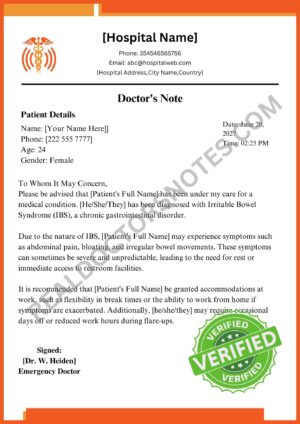
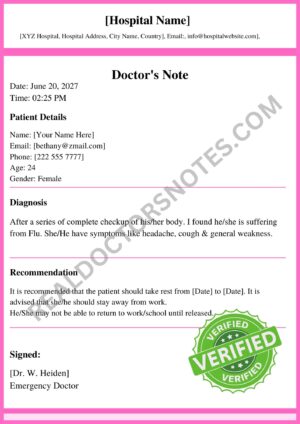
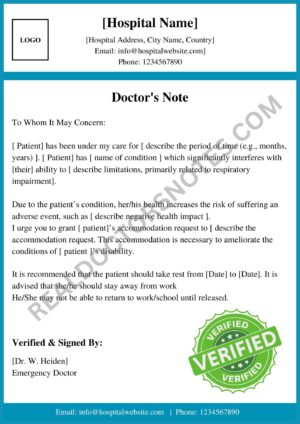
Medical documentation can communicate a healthcare professional’s recommendation to an employer. Depending on the circumstances, it may confirm that an employee was evaluated and should remain away from work for a specified period.
The document may also identify a return-to-work date or temporary restrictions.
A doctor’s note does not replace the employer’s normal leave procedure. Employees may still need to submit a leave request, complete company forms, or follow a separate HR process.
Can the Note Mention Burnout Specifically?
The wording of medical documentation depends on the healthcare professional and the circumstances. Some documentation may identify a medical condition or reason for restrictions, while other documentation may simply state that an employee needs medical leave.
Employees should avoid requesting unnecessary private details in a document that will be given to an employer. Only information relevant to the workplace requirement may be needed.
What If You Do Not Want to Share Personal Details at Work?
Health information is personal. If your employer requests documentation, ask what information is actually required for the leave process.
A workplace may need confirmation of an absence or restrictions without needing a detailed description of every symptom.
If you are uncertain about what should appear on your documentation, discuss the requirement with your healthcare provider before submitting it.
Can Burnout Lead to Workplace Restrictions?
Sometimes returning immediately to a full workload may not be the only option. Depending on the medical situation and workplace circumstances, a provider may recommend temporary changes.
Possible recommendations could involve:
- A modified schedule
- Reduced duties
- A gradual transition back to regular hours
- Additional recovery time
- Temporary limitations on certain activities
- Other reasonable workplace adjustments
The appropriate recommendation depends on the individual’s circumstances and the nature of the job.
What If You Need More Time Off?
If your original leave period ends but you are still experiencing significant difficulties, contact your healthcare professional rather than changing the dates yourself.
The provider can reassess your situation and determine whether additional leave or another form of support is appropriate.
Any extension should be properly documented and submitted according to the employer’s leave process.
Returning to Work After Burnout Leave
Returning after time away can feel different from simply taking an ordinary vacation. If the factors contributing to the exhaustion have not changed, returning immediately to the previous routine may be challenging.
Before returning, consider:
- Whether you understand your expected schedule
- Whether any temporary restrictions apply
- Whether your employer needs updated documentation
- Whether a gradual return has been recommended
- Whether you know whom to contact if symptoms return
Following the healthcare professional’s recommendations can make the transition more organized.
Is an Online Appointment Enough?
A virtual appointment may be an option for some people, particularly when an in-person visit is difficult. However, not every situation can be appropriately assessed remotely.
The healthcare professional determines whether telehealth is suitable and whether documentation can be provided based on the evaluation. Rules and documentation requirements can also vary by location and provider.
A legitimate medical note should be based on an actual healthcare evaluation.
Why Should You Avoid Fake Burnout Documentation?
Using fabricated medical documentation can create workplace, legal, and professional problems. It can also prevent someone from receiving appropriate support for the actual issue.
If you need time away because you are struggling with stress or exhaustion, discussing the situation honestly with a qualified healthcare professional is a safer approach.
Burnout Leave and Employer Policies
Every workplace can have its own process for requesting medical leave. Some employers may require documentation after a certain number of absent days, while others may use specific forms or third-party leave administrators.
Before submitting a note, check:
- The company’s sick-leave policy
- Required forms
- Submission deadlines
- Who receives medical documentation
- Whether HR approval is required
- Whether additional certification is requested
Following the correct process can prevent unnecessary delays.
What If Your Symptoms Continue During Leave?
Leave provides time away from work, but it does not automatically resolve every cause of exhaustion. If symptoms remain or become more difficult to manage, seek further professional guidance.
Depending on the circumstances, ongoing care may involve counseling, medical treatment, lifestyle changes, workplace adjustments, or a combination of approaches.
If symptoms are severe, sudden, or involve an immediate safety concern, seek urgent professional help rather than relying only on workplace leave.
FAQs
Q. Is burnout a valid reason to discuss medical leave?
If stress or exhaustion is significantly affecting your functioning, you can discuss it with a healthcare professional. The provider determines whether medical leave is appropriate after evaluating your circumstances.
Q. What should I tell my employer when requesting burnout leave?
Follow your employer’s normal leave procedure. You generally need to communicate the absence and provide whatever documentation the workplace policy requires.
Q. Can a doctor change my return-to-work date?
A healthcare professional can reassess your condition and provide updated medical recommendations when clinically appropriate. The updated documentation should then be handled through the employer’s required process.
Q. Can burnout affect concentration at work?
Yes, prolonged stress and exhaustion may be associated with difficulty concentrating, reduced motivation, sleep problems, and other symptoms. These symptoms can have multiple causes, so professional evaluation is useful.
Q. Can I request workplace accommodations instead of taking full leave?
You can discuss possible accommodations with your employer and healthcare professional. Whether a particular adjustment is appropriate depends on the medical recommendation, job requirements, workplace policy, and applicable law.



Reviews
There are no reviews yet.