![Real Doctors Note For Work and School [Get in 5 Minutes]](https://realdoctorsnotes.com/wordpress/wp-content/uploads/2025/11/2.png)

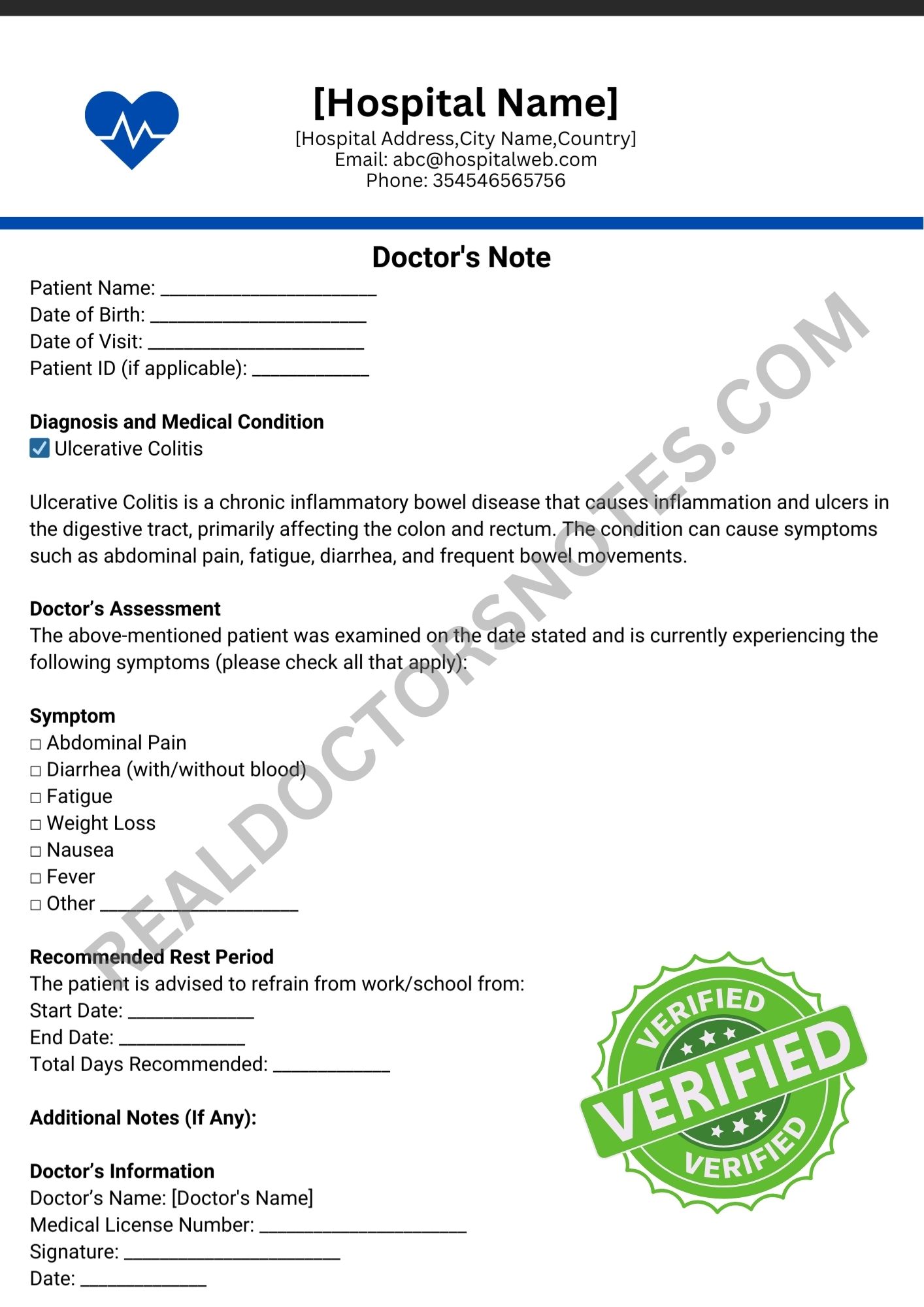
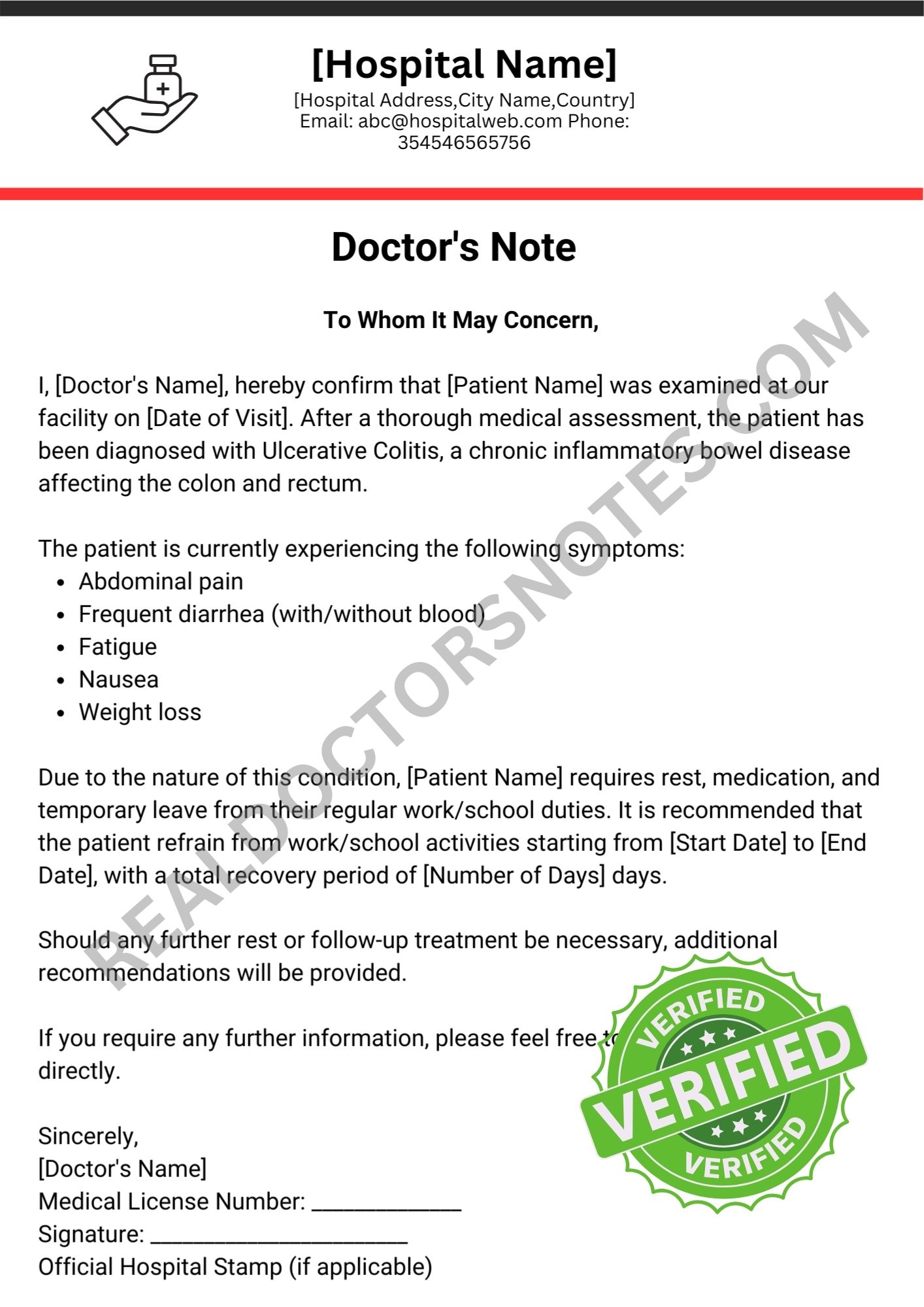

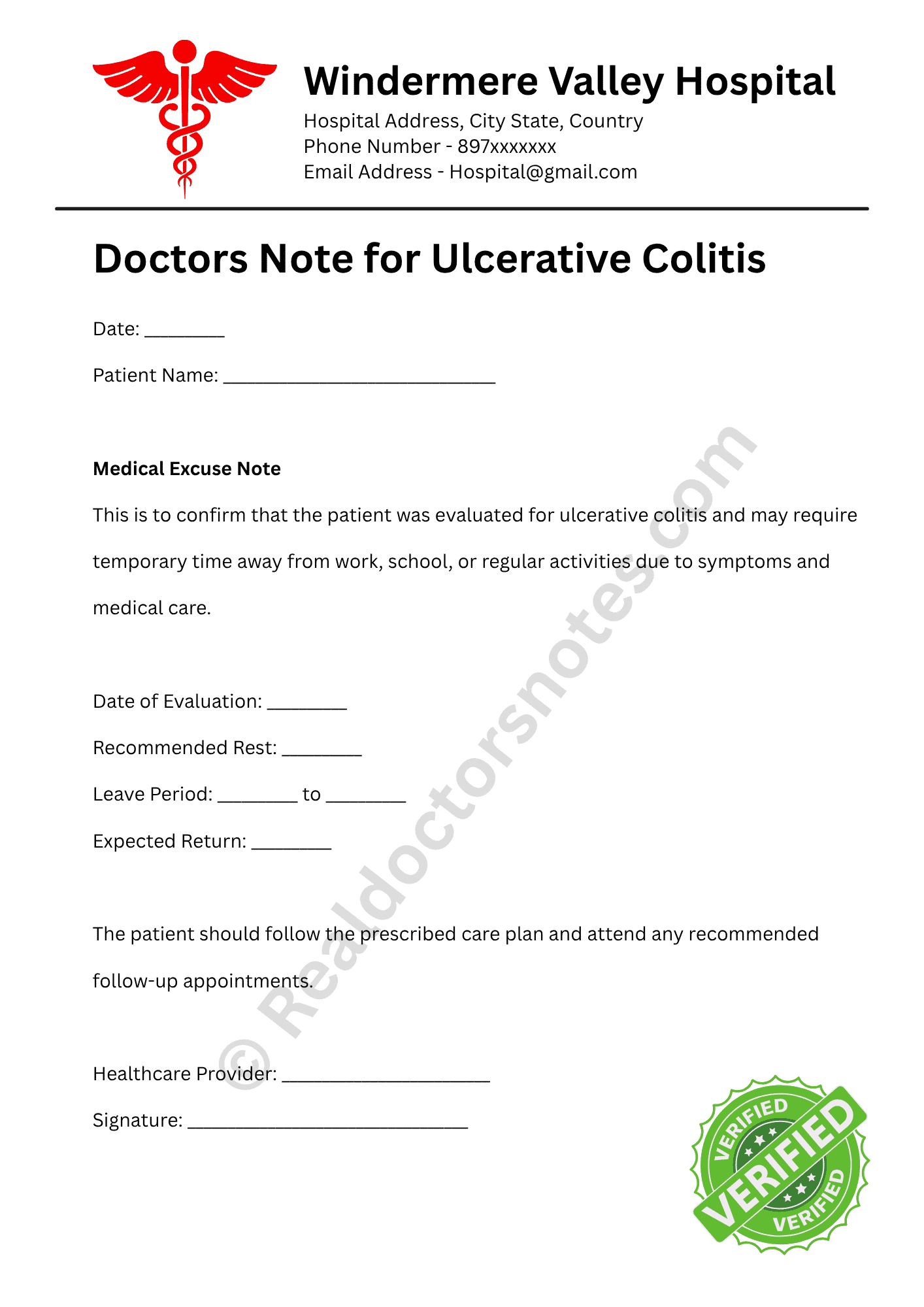

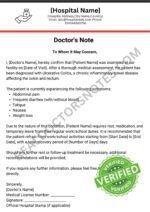
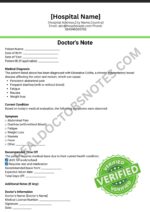
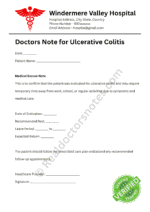

Doctors Note for Ulcerative Colitis may be required when symptoms of ulcerative colitis (UC) temporarily affect your ability to attend work, school, or other daily responsibilities. Ulcerative Colitis is a chronic inflammatory bowel disease (IBD) that causes inflammation and ulcers in the lining of the large intestine (colon) and rectum. Unlike short-term digestive illnesses, it is a lifelong condition that typically alternates between periods of active symptoms (flare-ups) and remission, when symptoms improve or disappear.
The condition can significantly impact everyday life. Frequent restroom visits, abdominal pain, fatigue, rectal bleeding, and unpredictable flare-ups may interfere with work, education, travel, and social activities. Since symptoms and disease severity vary from person to person, treatment plans are individualized and may change over time. During moderate to severe flare-ups, a healthcare provider may recommend temporary activity restrictions, time away from regular responsibilities, or provide medical documentation when clinically appropriate.
Related Post:
Doctors Note for Extended Sick Leave
Ulcerative Colitis Symptoms That May Affect Daily Activities
The symptoms of Ulcerative Colitis depend on the severity of inflammation and the portion of the colon involved. Some people experience mild symptoms, while others may have more significant limitations during flare-ups.
Common symptoms include:
- Frequent diarrhea
- Blood or mucus in the stool
- Urgent bowel movements
- Abdominal pain and cramping
- Rectal bleeding
- Fatigue
- Weight loss
- Reduced appetite
- Mild fever during severe flare-ups
- Joint pain in some individuals
- Anemia related to chronic blood loss
Symptoms often come and go, making ongoing medical care important for long-term disease management.
Ulcerative Colitis Flare-Ups and Remission
One of the defining characteristics of Ulcerative Colitis is that symptoms usually occur in cycles.
Flare-Up
During a flare-up, inflammation becomes more active, leading to increased bowel movements, abdominal pain, fatigue, and other digestive symptoms. Medical treatment may need to be adjusted to help control inflammation.
Remission
During remission, symptoms improve significantly or disappear altogether. Even when feeling well, many individuals continue taking prescribed medications to help maintain remission and reduce the risk of future flare-ups.
The length of both flare-ups and remission varies from person to person.
Ulcerative Colitis Triggers That May Worsen Symptoms
Although the exact cause of flare-ups is not always known, several factors may contribute to worsening symptoms.
Possible triggers include:
- Emotional stress
- Certain foods that are difficult for the individual to tolerate
- Missing prescribed medications
- Gastrointestinal infections
- Poor sleep habits
- Dehydration
- Certain medications, such as nonsteroidal anti-inflammatory drugs (NSAIDs), when advised by a healthcare provider
- Changes in daily routine
Identifying personal triggers with the help of a healthcare provider may improve long-term symptom management.
Ulcerative Colitis Diagnosis and Medical Evaluation
Diagnosing Ulcerative Colitis requires a combination of medical history, physical examination, and diagnostic testing.
Healthcare providers may recommend:
- Review of symptoms
- Physical examination
- Blood tests
- Stool tests
- Colonoscopy
- Tissue biopsy during colonoscopy
- Imaging studies when appropriate
These tests help confirm the diagnosis, assess disease severity, and rule out other digestive conditions with similar symptoms.
Ulcerative Colitis Treatment Options
Treatment aims to reduce inflammation, relieve symptoms, and maintain remission. The treatment plan depends on disease severity and the individual’s response to therapy.
Treatment options may include:
- Anti-inflammatory medications
- Immune-modifying therapies
- Biologic medications
- Nutritional support
- Intravenous medications during severe flare-ups
- Surgery in selected cases when medical therapy is no longer effective
Regular follow-up with a gastroenterologist helps monitor disease activity and adjust treatment when necessary.
Ulcerative Colitis and Workplace Challenges
Ulcerative Colitis may affect job performance because symptoms can be unpredictable.
Some workplace challenges include:
- Frequent restroom access
- Fatigue during the workday
- Difficulty sitting through long meetings
- Time needed for medical appointments
- Reduced concentration during flare-ups
- Temporary decrease in physical endurance
- Need for flexible scheduling
- Remote work when appropriate
Healthcare providers may recommend workplace accommodations depending on the individual’s condition and job responsibilities.
Ulcerative Colitis Lifestyle Management
Healthy daily habits may help support symptom management and overall well-being.
Helpful strategies include:
- Staying well hydrated
- Eating a balanced diet
- Identifying personal food triggers
- Managing stress
- Taking medications exactly as prescribed
- Exercising regularly as tolerated
- Getting adequate sleep
- Avoiding smoking if advised by a healthcare provider
- Attending regular follow-up appointments
Lifestyle changes should complement—not replace—medical treatment.
Ulcerative Colitis Possible Complications
Without proper management, Ulcerative Colitis may lead to complications in some individuals.
Possible complications include:
- Severe intestinal bleeding
- Dehydration
- Anemia
- Nutritional deficiencies
- Colon inflammation
- Increased risk of colorectal cancer with long-standing disease
- Toxic megacolon, a rare but serious medical emergency
Routine medical care helps identify complications early and reduce long-term risks.
Ulcerative Colitis Recovery and Long-Term Care
Ulcerative Colitis is considered a chronic condition, meaning ongoing management is usually necessary even during symptom-free periods.
Long-term care may include:
- Monitoring disease activity
- Continuing maintenance medications
- Regular specialist visits
- Colon cancer screening when recommended
- Recognizing early signs of flare-ups
- Adjusting treatment as needed
- Maintaining healthy lifestyle habits
Many individuals with Ulcerative Colitis can lead active lives with appropriate treatment and regular medical follow-up.
Ulcerative Colitis Compared With Other Digestive Conditions
| Condition | Key Difference |
|---|---|
| Ulcerative Colitis | Affects only the colon and rectum with continuous inflammation |
| Crohn’s Disease | Can affect any part of the digestive tract and often involves deeper layers of the bowel |
| Irritable Bowel Syndrome (IBS) | Causes digestive symptoms without chronic intestinal inflammation |
| Infectious Colitis | Caused by bacterial, viral, or parasitic infections rather than chronic immune-related inflammation |
Understanding these differences helps ensure an accurate diagnosis and appropriate treatment plan.
Ulcerative Colitis Documentation and Medical Evaluation
When Ulcerative Colitis significantly affects a person’s ability to work, attend school, or perform normal daily activities, a healthcare provider may provide medical documentation following an appropriate evaluation. Depending on the individual’s symptoms and functional limitations, documentation may include temporary activity restrictions, recommendations for workplace accommodations, follow-up care, or guidance regarding recovery. The information included varies according to the medical assessment while protecting patient privacy.
Ulcerative Colitis Documentation Validity
There is no standard expiration period for medical documentation related to Ulcerative Colitis. The validity depends on the individual’s current symptoms, disease activity, healthcare provider recommendations, and the purpose of the documentation.
Factors that may influence documentation validity include:
- Severity of the flare-up
- Treatment response
- Remission status
- Follow-up medical evaluations
- Workplace or school documentation requirements
- Temporary activity restrictions
If symptoms continue or change, a follow-up medical evaluation may be needed to determine whether updated documentation is appropriate.
FAQs
Q. Is Ulcerative Colitis curable?
There is currently no cure for Ulcerative Colitis, but many people successfully manage the condition with medication, lifestyle changes, and ongoing medical care.
Q. What causes Ulcerative Colitis flare-ups?
Flare-ups may be influenced by stress, infections, missed medications, certain dietary triggers, or other individual factors.
Q. Can stress make Ulcerative Colitis worse?
Stress does not directly cause Ulcerative Colitis, but it may contribute to worsening symptoms in some individuals.
Q. Can I work during a flare-up?
Some people can continue working during mild flare-ups, while others may need temporary workplace accommodations or medical leave depending on symptom severity.
Q. How is Ulcerative Colitis diagnosed?
Diagnosis usually involves a combination of medical history, physical examination, laboratory testing, colonoscopy, and biopsy.
Q. Is Ulcerative Colitis the same as Crohn’s disease?
No. Both are inflammatory bowel diseases, but they affect different parts of the digestive tract and have different patterns of inflammation.
Q. Can surgery treat Ulcerative Colitis?
Surgery may be recommended for certain individuals when medications are no longer effective or complications develop.
Q. When should I seek emergency medical care?
Seek immediate medical attention if you experience severe abdominal pain, heavy rectal bleeding, signs of dehydration, persistent high fever, or symptoms of a serious complication.




Reviews
There are no reviews yet.