![Real Doctors Note For Work and School [Get in 5 Minutes]](https://realdoctorsnotes.com/wordpress/wp-content/uploads/2025/11/2.png)

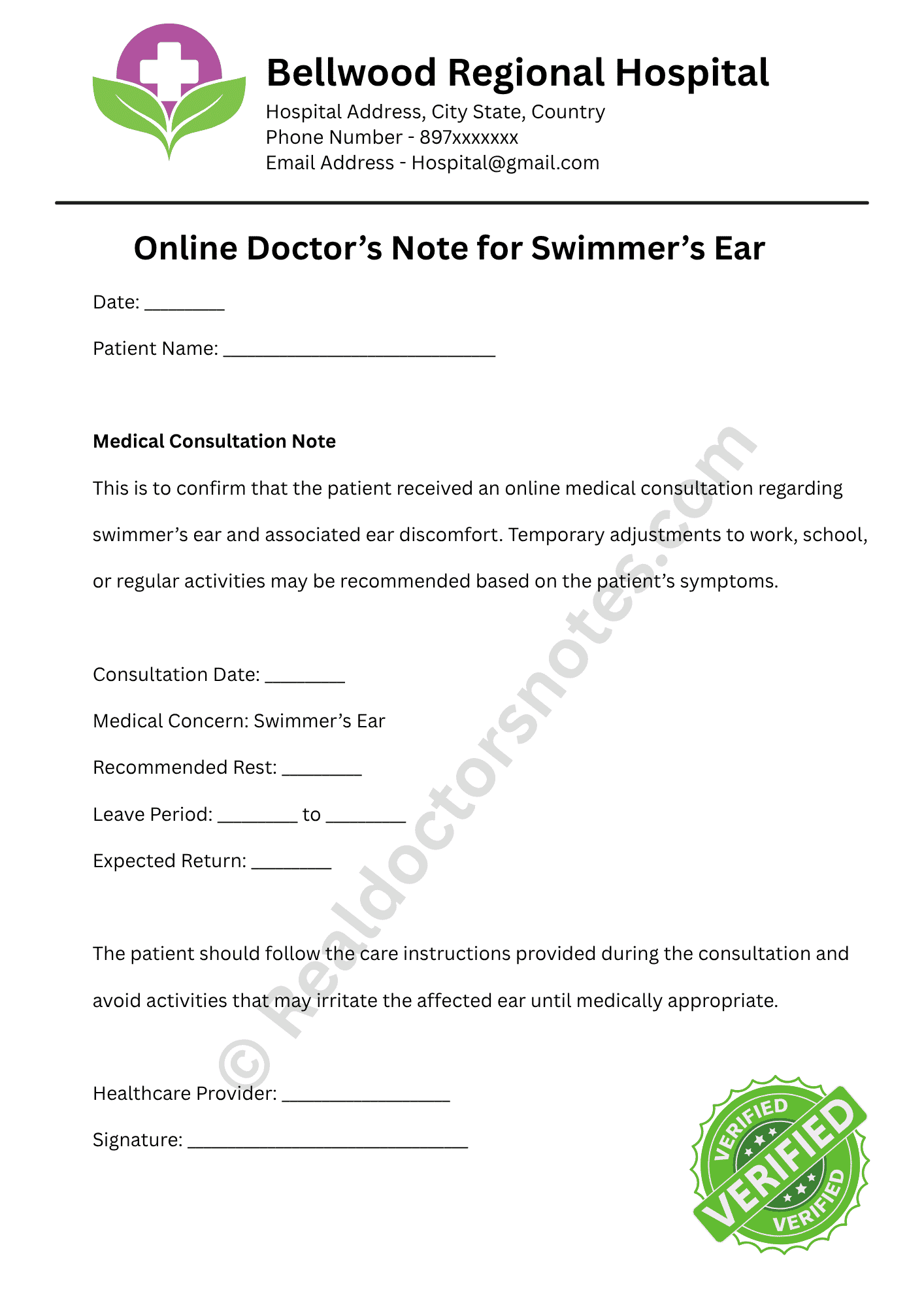
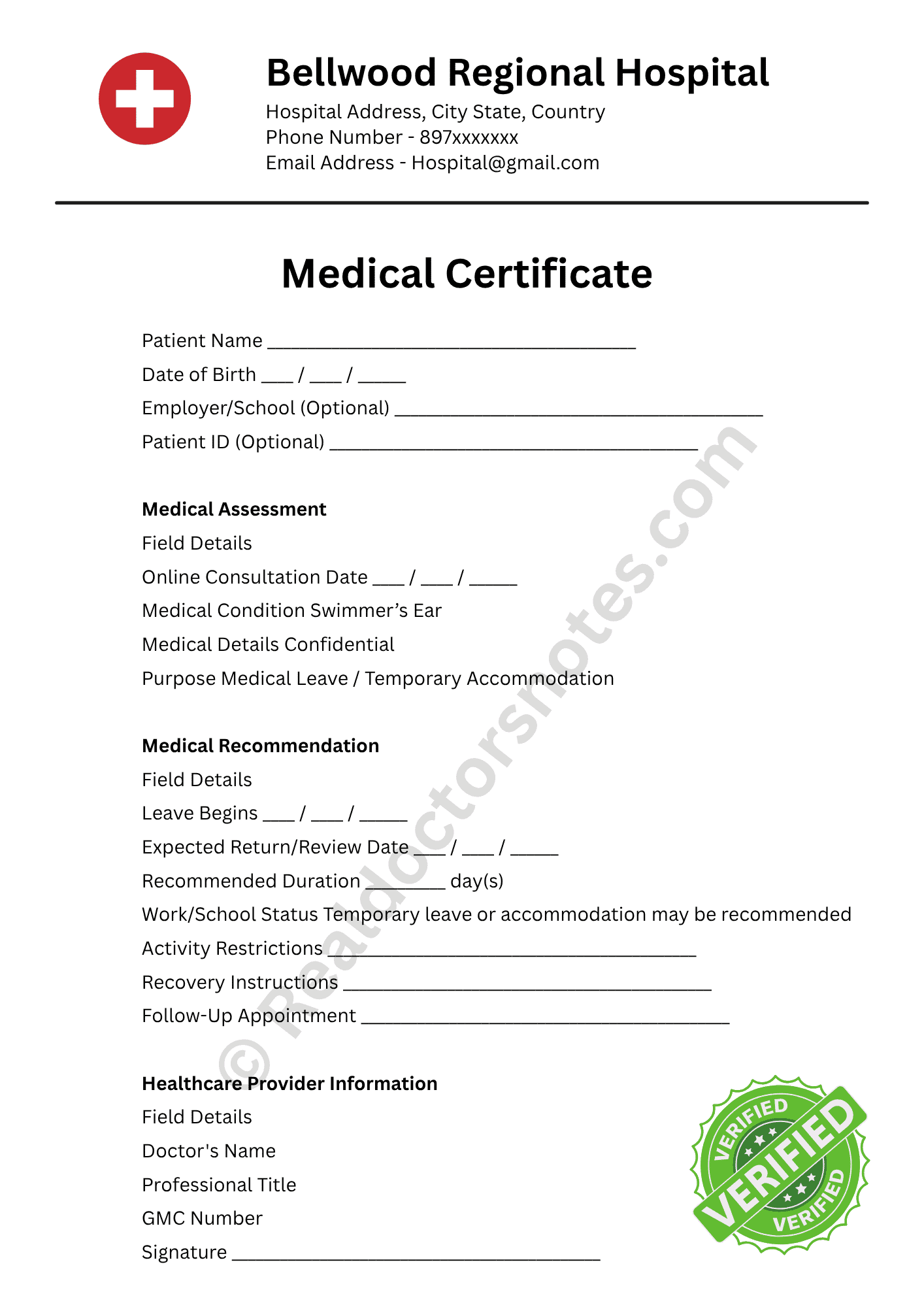
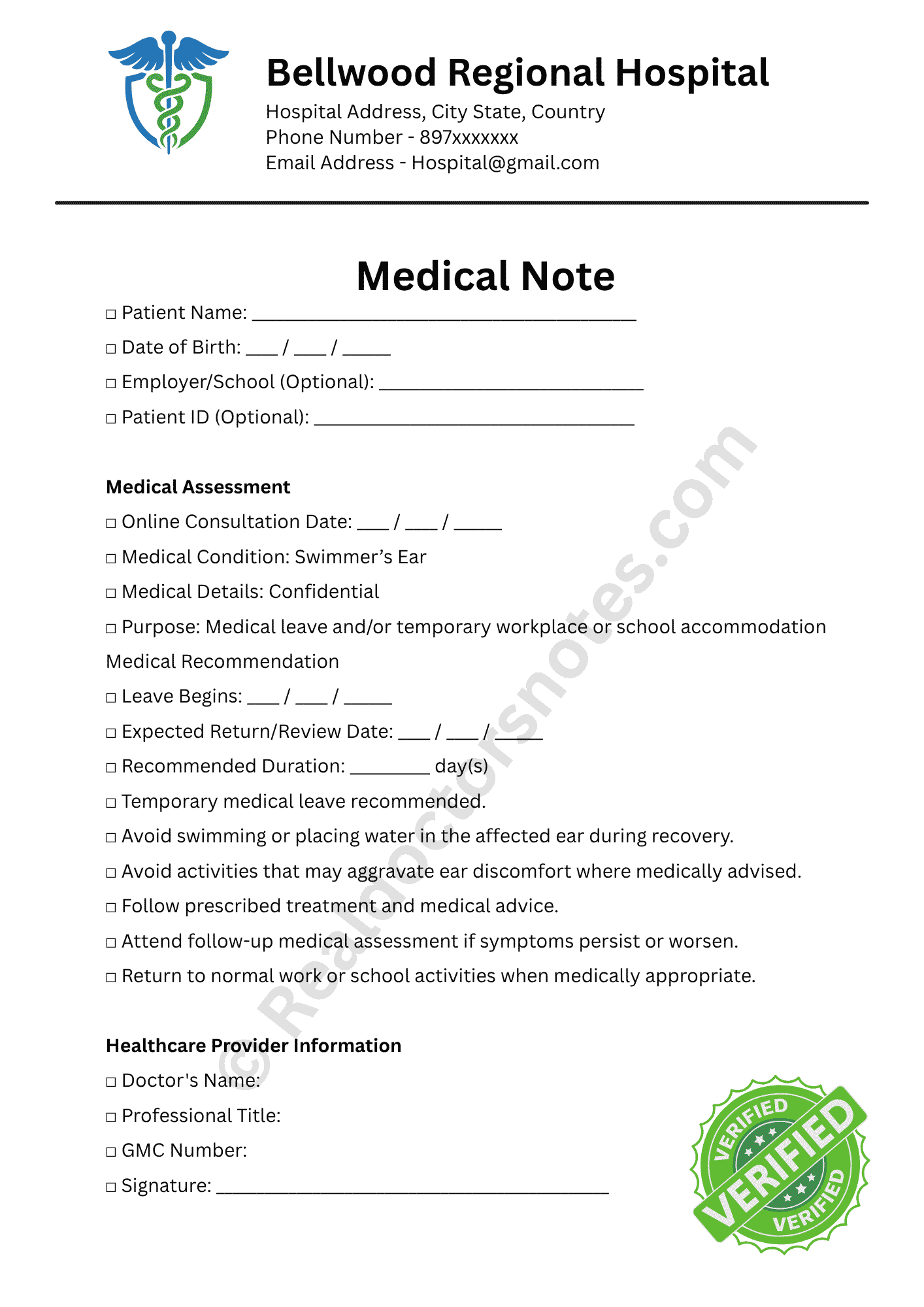



Swimmer’s ear, medically known as otitis externa, is an infection or inflammation of the outer ear canal that commonly develops after swimming or repeated exposure to water. Symptoms may include ear pain, itching, redness, swelling, drainage, tenderness, or a feeling of fullness in the ear. Because swimmer’s ear can become more uncomfortable when untreated, getting an appropriate medical evaluation is important.
If your symptoms are affecting your ability to work, attend school, participate in sports, or travel, an online doctor’s note for swimmer’s ear may be appropriate when a licensed healthcare professional evaluates your condition and determines that documentation is medically justified.
Related Post:
What Is Swimmer’s Ear?
Swimmer’s ear is an infection or inflammation affecting the skin lining the outer ear canal. Unlike a middle-ear infection, which develops behind the eardrum, swimmer’s ear affects the passage leading from the outside of the ear toward the eardrum.
Water trapped inside the ear can create a moist environment where bacteria can multiply. However, swimming is not the only possible cause. Scratching the ear, using cotton swabs, inserting objects into the ear canal, wearing earbuds for extended periods, or having irritated ear-canal skin can also increase the risk.
Common symptoms include:
- Ear pain or tenderness
- Itching inside the ear
- Redness or swelling
- Ear drainage
- A blocked or full sensation
- Reduced hearing
- Pain when touching or pulling the outer ear
- Discomfort when chewing in more severe cases
Can You Get an Online Doctor’s Note for Swimmer’s Ear?
In many situations, yes. A licensed healthcare provider may be able to evaluate swimmer’s ear through a telehealth appointment and determine whether a medical note for swimmer’s ear is appropriate.
The provider may ask about your symptoms, when they started, recent swimming or water exposure, ear drainage, pain severity, fever, hearing changes, and any previous ear problems.
However, telehealth is not appropriate for every ear complaint. A provider may recommend an in-person examination if the symptoms cannot be safely assessed remotely, if the condition appears severe, or if there are signs of another ear problem.
A doctor’s note should be issued based on a genuine medical evaluation rather than simply being purchased without an assessment.
What Can a Doctor’s Note for Swimmer’s Ear Be Used For?
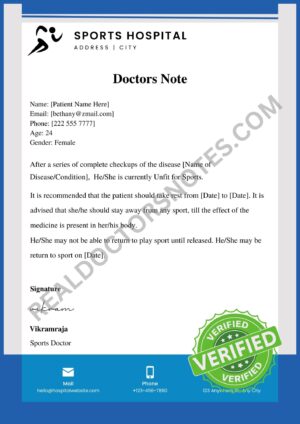
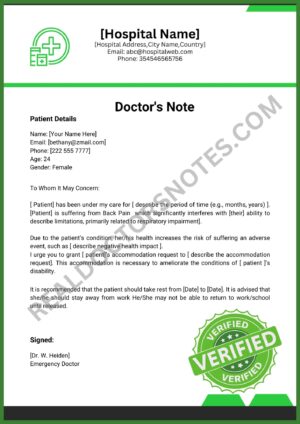
Depending on the healthcare provider’s assessment and the requirements of the organization requesting documentation, a swimmer’s ear doctor’s note may support a temporary absence or restriction.
Possible situations include:
Work Absence
Significant ear pain, drainage, or discomfort may make it difficult to concentrate or perform certain duties. A healthcare provider may recommend time away from work when medically appropriate.
School Absence
Students experiencing painful swimmer’s ear may need to miss school while receiving treatment or recovering. School policies determine whether a medical note is required.
Swimming Restrictions
Because water exposure can worsen irritation or interfere with recovery, a provider may recommend temporarily avoiding swimming or other activities involving water.
Sports Participation
If ear pain or treatment makes participation uncomfortable or unsafe, a healthcare professional may provide appropriate activity restrictions.
Travel
Severe ear symptoms can make travel uncomfortable, particularly when pressure changes are involved. Whether documentation is useful for a travel-related request depends on the circumstances and the organization’s policy.
How Does an Online Medical Evaluation Work?
An online consultation for swimmer’s ear generally begins with a medical history and symptom assessment.
A provider may ask:
- When did the ear symptoms begin?
- Have you recently been swimming?
- Is the pain mild, moderate, or severe?
- Does touching the outside of your ear cause pain?
- Is there fluid or discharge coming from the ear?
- Have you noticed hearing changes?
- Do you have a fever?
- Have you used cotton swabs or other objects inside the ear?
- Have you previously experienced swimmer’s ear?
- Have you already received any treatment?
Based on the information available, the provider determines whether remote care is appropriate or whether an in-person examination is necessary.
If documentation is medically justified, the provider can explain what information can be included in the medical note.
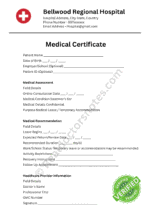
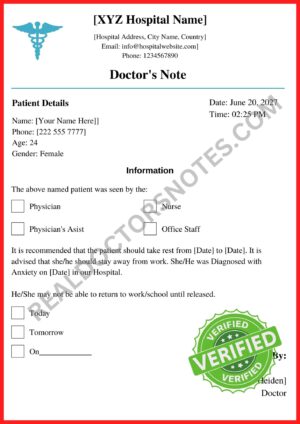
What Information Can a Swimmer’s Ear Medical Certificate Include?
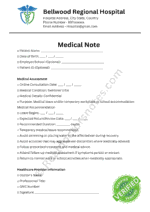
A legitimate swimmer’s ear medical certificate may contain information such as:
- Patient identification information
- Date of medical evaluation
- General medical assessment
- Recommended rest or activity restrictions
- Recommended period of absence, when medically appropriate
- Return-to-work or return-to-school guidance, when applicable
- Healthcare provider information
- Appropriate authorization or signature
The exact contents vary depending on the provider and the requirements of the employer, school, sports organization, or other institution.
A medical document should not contain inaccurate information or claim that a person was examined when they were not.
How Long Does Swimmer’s Ear Usually Last?
The recovery period depends on the severity of the condition and how promptly appropriate treatment begins.
Mild cases may improve relatively quickly after appropriate treatment, while more significant infections may take longer. Completing prescribed treatment and keeping the affected ear dry can be important parts of recovery.
If symptoms are getting worse instead of improving, an additional medical evaluation may be necessary.
Can Swimmer’s Ear Require Time Off Work?
Sometimes. A doctor’s note for ear infection and work absence may be appropriate when symptoms significantly interfere with a person’s ability to perform their job.
For example, someone experiencing substantial pain, drainage, dizziness, or difficulty hearing may have difficulty carrying out certain responsibilities.
The healthcare provider—not the patient—should determine whether time away from work or modified duties are medically appropriate.
Employers may also have their own rules regarding when documentation is required and what information must appear on a work excuse.
Can a Doctor Recommend Avoiding Swimming?
Yes. Avoiding swimming may be recommended while the ear is irritated or infected because additional water exposure can interfere with recovery.
A healthcare provider may also recommend avoiding activities that involve putting water directly into the affected ear.
If you participate in competitive swimming, diving, water sports, or another activity involving frequent water exposure, ask the healthcare provider when it is appropriate to resume those activities.
Treatment for Swimmer’s Ear
Treatment depends on the cause and severity of the condition. Healthcare professionals may recommend appropriate treatment after evaluating the symptoms.
Common medical management can include prescribed ear drops and measures intended to reduce irritation and keep the ear dry. In some circumstances, additional treatment may be necessary.
Do not put household substances, oils, or unapproved products into an irritated ear unless a healthcare professional recommends them.
It is also generally advisable to avoid inserting cotton swabs or other objects into the ear canal.
When Should You Seek In-Person Medical Care?
Although some ear complaints may be evaluated through telehealth, an in-person assessment may be necessary when the symptoms require direct examination.
Seek prompt medical attention if you experience:
- Severe or rapidly worsening ear pain
- Significant swelling
- Fever
- Pus or substantial drainage
- Sudden or significant hearing loss
- Severe dizziness
- Symptoms spreading beyond the ear
- Facial weakness
- Symptoms that are not improving with recommended treatment
People with certain medical conditions or increased risk of complications may also require more careful evaluation.
Swimmer’s Ear vs. Middle Ear Infection
Swimmer’s ear and a middle-ear infection are different conditions.
Swimmer’s ear (otitis externa) affects the outer ear canal and is often associated with water exposure or irritation. Pain may become noticeable when the outer ear is touched or moved.
A middle-ear infection (otitis media) develops deeper inside the ear, behind the eardrum. It may occur after a respiratory infection and can involve ear pressure, pain, fever, or hearing changes.
Because symptoms can overlap, a healthcare professional should determine the likely cause rather than relying solely on symptoms.
FAQs
Q. Can I get a doctor’s note for swimmer’s ear online?
A licensed healthcare professional may provide medical documentation after an appropriate evaluation if they determine that a note is medically justified. Availability depends on the provider, jurisdiction, and circumstances.
Q. Can swimmer’s ear be treated through telehealth?
Some cases may be suitable for telehealth, particularly when symptoms can be adequately assessed remotely. However, an in-person examination may be necessary when symptoms are severe or unclear.
Q. Can I get a work excuse for swimmer’s ear?
If swimmer’s ear is affecting your ability to work, a healthcare provider can determine whether an absence or temporary workplace restriction is appropriate and whether documentation should be provided.
Q. Can I get a school note for swimmer’s ear?
A healthcare provider may provide documentation when medically appropriate. The school’s attendance policy determines whether the note will be accepted and what information is required.
Q. Can a doctor’s note say I should not swim?
If avoiding water exposure is medically appropriate, a provider may document a temporary swimming or water-related activity restriction.





Reviews
There are no reviews yet.