![Real Doctors Note For Work and School [Get in 5 Minutes]](https://realdoctorsnotes.com/wordpress/wp-content/webp-express/webp-images/uploads/2025/11/2.png.webp)
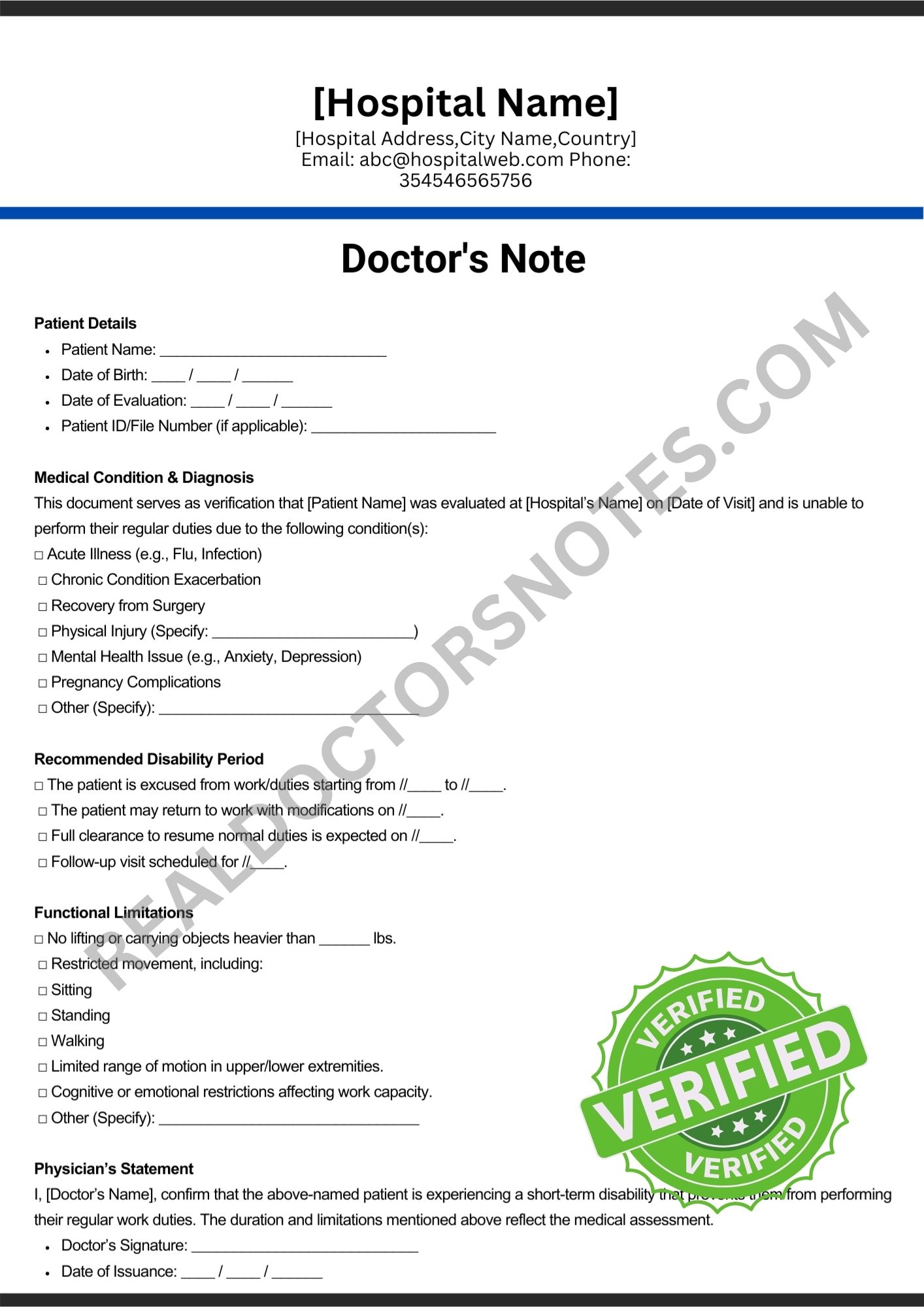
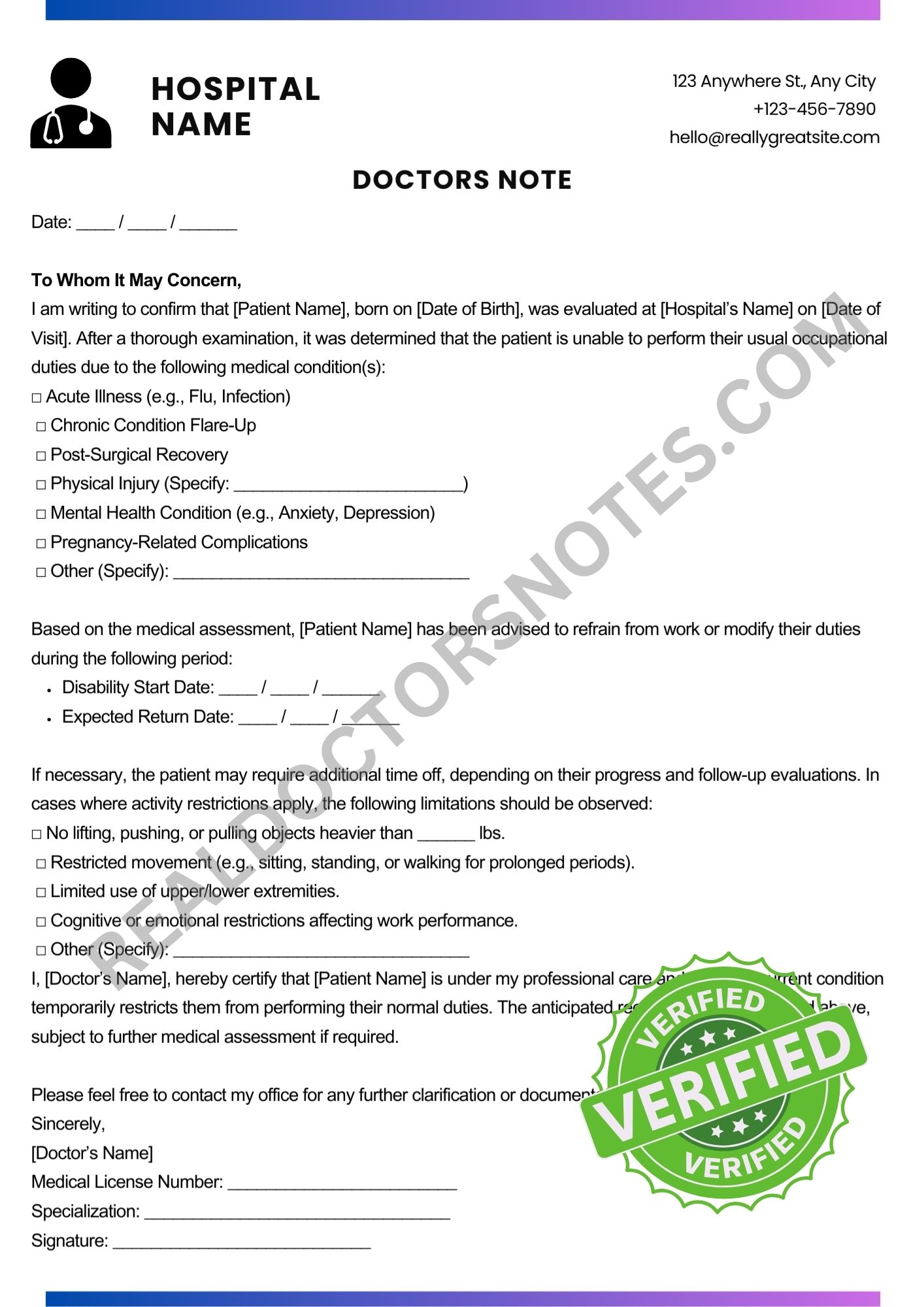
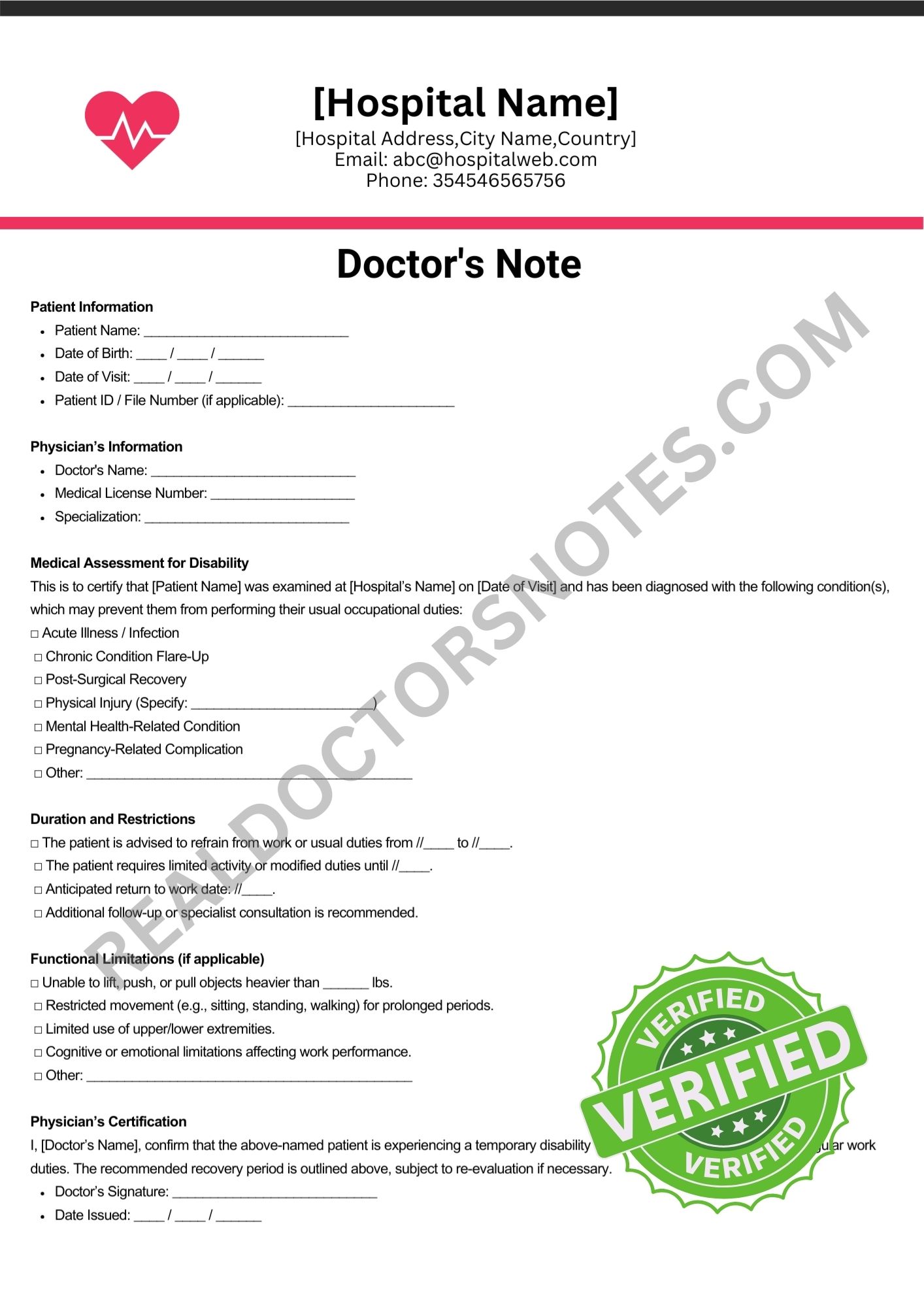




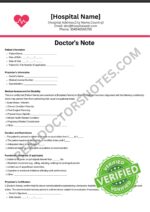
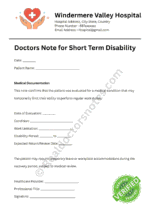


Doctors Note for Short-term disability is a type of temporary income protection that may be available when a medical condition prevents an individual from performing the essential duties of their job for a limited period. Unlike long-term disability benefits, short-term disability is generally intended for illnesses, injuries, surgeries, or pregnancy-related conditions that are expected to improve with treatment and recovery.
Many employers offer short-term disability benefits through workplace insurance plans, while others may provide coverage through private insurance providers. Eligibility requirements vary depending on the employer’s policy, insurance plan, and medical condition. In most situations, a healthcare provider must evaluate the individual and complete the required medical documentation before a claim can be reviewed.
Common situations that may lead someone to apply for short-term disability include recovery after surgery, serious injuries, severe illnesses, mental health conditions, or pregnancy complications that temporarily prevent them from working. Medical documentation helps explain the individual’s functional limitations, expected recovery period, and treatment plan, allowing the employer or insurance provider to evaluate the request according to their policy requirements.
Related Post:
- Doctors Note for FMLA
- Doctors Note for Extended Sick Leave
- Return to Work Doctors Note
- Verifiable doctors note
Short-Term Disability Conditions That May Qualify
Many different medical conditions may temporarily limit an individual’s ability to perform normal job duties. Whether a condition qualifies for short-term disability depends on the severity of symptoms, the healthcare provider’s medical evaluation, and the specific disability policy.
Conditions that may require temporary work restrictions include:
- Recovery after surgery
- Fractures and serious injuries
- Pregnancy-related complications
- Severe infections
- Back or neck injuries
- Chronic pain flare-ups
- Autoimmune disease flare-ups
- Heart-related conditions
- Respiratory illnesses
- Mental health conditions such as anxiety, depression, or PTSD
- Neurological disorders requiring temporary recovery
- Hospitalization followed by rehabilitation
A healthcare provider evaluates how the condition affects the individual’s ability to safely perform essential job functions before recommending temporary disability leave. Not every diagnosis automatically qualifies, as decisions depend on medical findings and the terms of the disability policy.
Short-Term Disability Medical Evaluation Process
Before medical documentation is completed, a licensed healthcare provider performs an appropriate medical evaluation. This evaluation helps determine whether the individual’s condition temporarily limits their ability to work and whether Short Term Disability documentation is medically appropriate.
The evaluation may include:
- Review of medical history
- Discussion of current symptoms
- Physical examination
- Review of laboratory or imaging results when available
- Assessment of physical or mental functional limitations
- Review of current medications
- Evaluation of expected recovery time
- Follow-up care recommendations
After reviewing this information, the healthcare provider determines whether temporary work restrictions are medically necessary. If appropriate, documentation may be prepared to support the individual’s disability claim according to clinical findings.
Short-Term Disability Documentation May Include
Medical documentation for short-term disability is prepared according to the individual’s medical condition and the requirements of the employer or insurance provider. The exact information included varies depending on the healthcare provider’s evaluation.
Documentation may include:
- Date of medical evaluation
- Diagnosis or medical condition when appropriate
- Description of functional limitations
- Estimated period of temporary disability
- Recommended work restrictions
- Expected recovery timeline
- Treatment plan
- Follow-up appointment schedule
- Return-to-work recommendations when appropriate
Healthcare providers include only the information necessary to support the disability request while maintaining patient confidentiality and complying with applicable privacy regulations.
Short-Term Disability Workplace Benefits
One of the primary purposes of short-term disability is to provide financial support while an employee is temporarily unable to work because of a qualifying medical condition. Depending on the employer’s disability plan or insurance policy, eligible employees may receive partial income replacement during their approved leave period.
Additional workplace benefits may include:
- Job protection under applicable employer policies or laws
- Time to recover without performing regular work duties
- Continued access to certain employee benefits, depending on the plan
- Opportunity to attend medical appointments and rehabilitation
- Reduced financial stress during recovery
- Support for a gradual return to work when medically appropriate
The specific benefits available vary by employer, insurance carrier, and disability policy. Employees should review their plan documents to understand the coverage, waiting periods, and documentation requirements.
Short-Term Disability Recovery Planning
Recovery planning is an important part of every short-term disability claim. After diagnosing the medical condition, a healthcare provider develops a treatment plan designed to help the individual recover safely and return to normal activities when medically appropriate. Recovery time varies depending on the condition, overall health, age, and response to treatment.
A recovery plan may include:
- Taking prescribed medications as directed
- Attending follow-up medical appointments
- Participating in physical or occupational therapy
- Getting adequate rest and sleep
- Following activity restrictions
- Maintaining proper nutrition and hydration
- Monitoring symptoms during recovery
- Completing recommended rehabilitation programs
Some individuals recover within a few weeks, while others require a longer healing period. During recovery, healthcare providers regularly monitor progress and may update medical documentation if the expected recovery timeline changes. Following the treatment plan carefully may help reduce complications and support a smoother return to work.
Short-Term Disability Return to Work
Returning to work after a medical condition should be based on the individual’s recovery and the healthcare provider’s medical assessment. Returning too soon may increase the risk of delayed healing or worsening symptoms, especially after surgery, serious illness, or injury.
Before recommending a return to work, healthcare providers may evaluate:
- Improvement in symptoms
- Physical or mental ability to perform essential job duties
- Functional limitations
- Recovery progress
- Medication side effects
- Ability to safely perform work-related tasks
- Need for temporary work restrictions
In some situations, employees may return with temporary accommodations such as reduced working hours, modified duties, lifting restrictions, or a gradual return-to-work schedule. Regular follow-up appointments allow healthcare providers to monitor recovery and determine when full work responsibilities can safely resume.
Short-Term Disability Documentation Validity
There is no standard validity period for short-term disability medical documentation. The length of time it remains valid depends on the individual’s medical condition, expected recovery period, healthcare provider recommendations, and the requirements of the employer or disability insurance provider.
Several factors may influence documentation validity, including:
- Severity of the medical condition
- Recovery progress
- Duration of treatment
- Follow-up medical evaluations
- Temporary work restrictions
- Employer or insurance company requirements
- Updated clinical findings
If recovery takes longer than originally expected, the healthcare provider may perform a follow-up evaluation and provide updated medical documentation when clinically appropriate. Keeping documentation current helps ensure that employers or insurance providers have accurate information regarding the individual’s medical status.
Short-Term Disability Claim Review Process
After medical documentation has been submitted, the employer or disability insurance provider typically reviews the claim according to the terms of the disability policy. The review process is intended to determine whether the claim meets the eligibility requirements for short-term disability benefits.
The review may include:
- Verification of medical documentation
- Review of healthcare provider recommendations
- Assessment of functional limitations
- Confirmation of employment information
- Evaluation of policy eligibility requirements
- Request for additional medical information if needed
Each disability plan has its own requirements, and approval decisions are made by the employer or insurance provider rather than the healthcare provider. Maintaining complete and accurate medical documentation may help avoid unnecessary delays during the review process.
FAQs
Q. What is Short-Term Disability?
Short-term disability is a temporary benefit that may provide partial income replacement when a qualifying medical condition prevents an employee from performing essential job duties for a limited period.
Q. Does every illness qualify for short-term disability?
No, eligibility depends on the severity of the medical condition, healthcare provider evaluation, and the specific disability policy.
Q. Is medical documentation required?
Many employers or insurance providers require medical documentation from a licensed healthcare provider to support a short-term disability claim.
Q. How long can short-term disability last?
The duration varies depending on the employer’s disability plan, insurance policy, and the individual’s medical condition.
Q. Can mental health conditions qualify?
Certain mental health conditions may qualify when they significantly limit an individual’s ability to perform essential job duties and meet policy requirements.


Reviews
There are no reviews yet.