![Real Doctors Note For Work and School [Get in 5 Minutes]](https://realdoctorsnotes.com/wordpress/wp-content/webp-express/webp-images/uploads/2025/11/2.png.webp)





Doctors Note for Quarantine may be required when a healthcare provider recommends temporary isolation after potential exposure to a contagious illness. Quarantine is a preventive public health measure recommended for individuals who may have been exposed to a contagious illness but are not necessarily experiencing symptoms. The goal of quarantine is to reduce the possibility of spreading an infection while monitoring for signs of illness.
Depending on the exposure, healthcare providers may recommend limiting contact with others, monitoring symptoms, attending follow-up evaluations if needed, and temporarily avoiding work, school, or public activities. A doctor’s note for quarantine may help document these recommendations when medical documentation is required.
Quarantine vs. Isolation: Understanding the Difference
Although the terms are often used interchangeably, quarantine and isolation have different purposes.
| Quarantine | Isolation |
|---|---|
| Used after possible exposure | Used after illness or suspected infection |
| Person may have no symptoms | Person usually has symptoms or a confirmed diagnosis |
| Focuses on monitoring health | Focuses on preventing transmission during illness |
| May be recommended by public health authorities | Usually follows medical evaluation or diagnosis |
Understanding the difference helps individuals follow appropriate recommendations and workplace or school policies.
Situations That May Require Quarantine
A healthcare provider or public health authority may recommend quarantine in various situations.
Examples include:
- Close contact with someone who has a contagious illness
- Household exposure
- Workplace exposure
- School or university exposure
- Healthcare facility exposure
- Community outbreak investigations
- Travel-related exposure when applicable
- Exposure during public events
- Contact with vulnerable individuals after possible exposure
The recommendation depends on the specific illness, exposure risk, and current public health guidance.
How Healthcare Providers Determine Whether Quarantine Is Appropriate
Before recommending quarantine, a healthcare provider may evaluate several factors.
These may include:
- Recent exposure history
- Current symptoms
- Medical history
- Vaccination history when relevant
- Test results if performed
- Risk of transmitting infection
- Current public health recommendations
- Individual health conditions
Based on this evaluation, personalized guidance may be provided.
Daily Health Monitoring During Quarantine
Monitoring your health during quarantine helps identify symptoms early if they develop.
Recommended practices include:
- Check your temperature if advised.
- Watch for new symptoms.
- Stay hydrated.
- Get enough rest.
- Eat nutritious meals.
- Continue prescribed medications.
- Record any changes in symptoms.
- Contact a healthcare provider if symptoms appear or worsen.
Keeping track of your health can support timely medical evaluation when needed.
Working or Studying Remotely During Quarantine
Many people can continue certain responsibilities remotely while following quarantine recommendations.
Helpful strategies include:
- Communicate with employers or teachers early.
- Attend virtual meetings or online classes.
- Organize a quiet workspace.
- Maintain a daily routine.
- Take regular breaks.
- Stay connected with coworkers or classmates.
- Follow workplace or school attendance policies.
Remote participation may not be possible for every occupation, particularly jobs requiring in-person duties.
Mental Health During Quarantine
Temporary separation from normal activities can affect emotional well-being.
Some individuals may experience:
- Loneliness
- Stress
- Anxiety
- Frustration
- Sleep changes
- Difficulty concentrating
Helpful coping strategies include:
- Staying connected with family and friends through phone or video calls.
- Maintaining a daily routine.
- Practicing relaxation techniques.
- Engaging in hobbies or light physical activity when appropriate.
- Seeking professional support if emotional difficulties become overwhelming.
Home Safety Tips During Quarantine
Simple household precautions may help reduce the spread of illness.
Helpful measures include:
- Wash hands regularly.
- Improve indoor ventilation.
- Clean frequently touched surfaces.
- Avoid sharing personal items.
- Cover coughs and sneezes.
- Follow healthcare provider recommendations regarding masks if appropriate.
- Limit close contact with vulnerable household members when advised.
Returning to Work, School, or Public Activities
Returning to normal activities depends on the reason for quarantine and current health status.
Healthcare providers may consider:
- Whether symptoms developed.
- Overall health condition.
- Completion of any recommended monitoring period.
- Workplace or school policies.
- Public health guidance.
- Medical evaluation when necessary.
Following professional advice helps reduce the risk of spreading illness to others.
When to Contact a Healthcare Provider
Medical evaluation is recommended if concerning symptoms develop during quarantine.
Seek medical advice if you experience:
- High fever
- Difficulty breathing
- Persistent chest pain
- Severe weakness
- Confusion
- Worsening symptoms
- Persistent vomiting
- Dehydration
- Any symptom that causes concern
Early medical attention may help identify the cause and guide appropriate treatment.
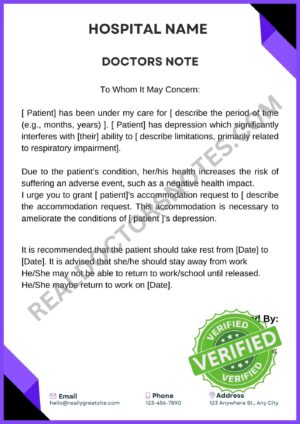
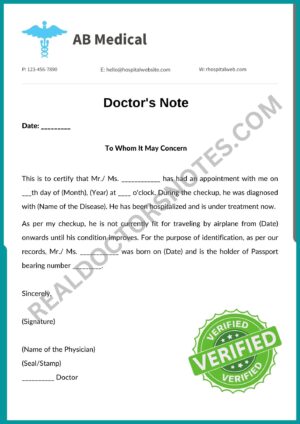
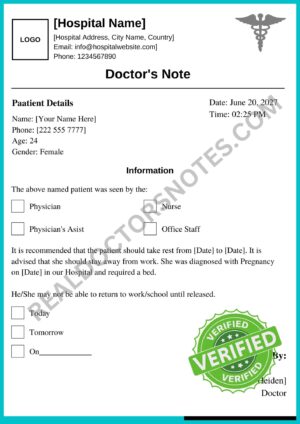
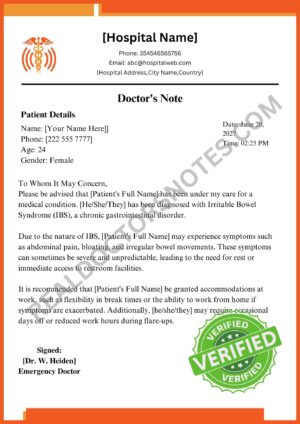
What a Doctor’s Note for Quarantine May Include
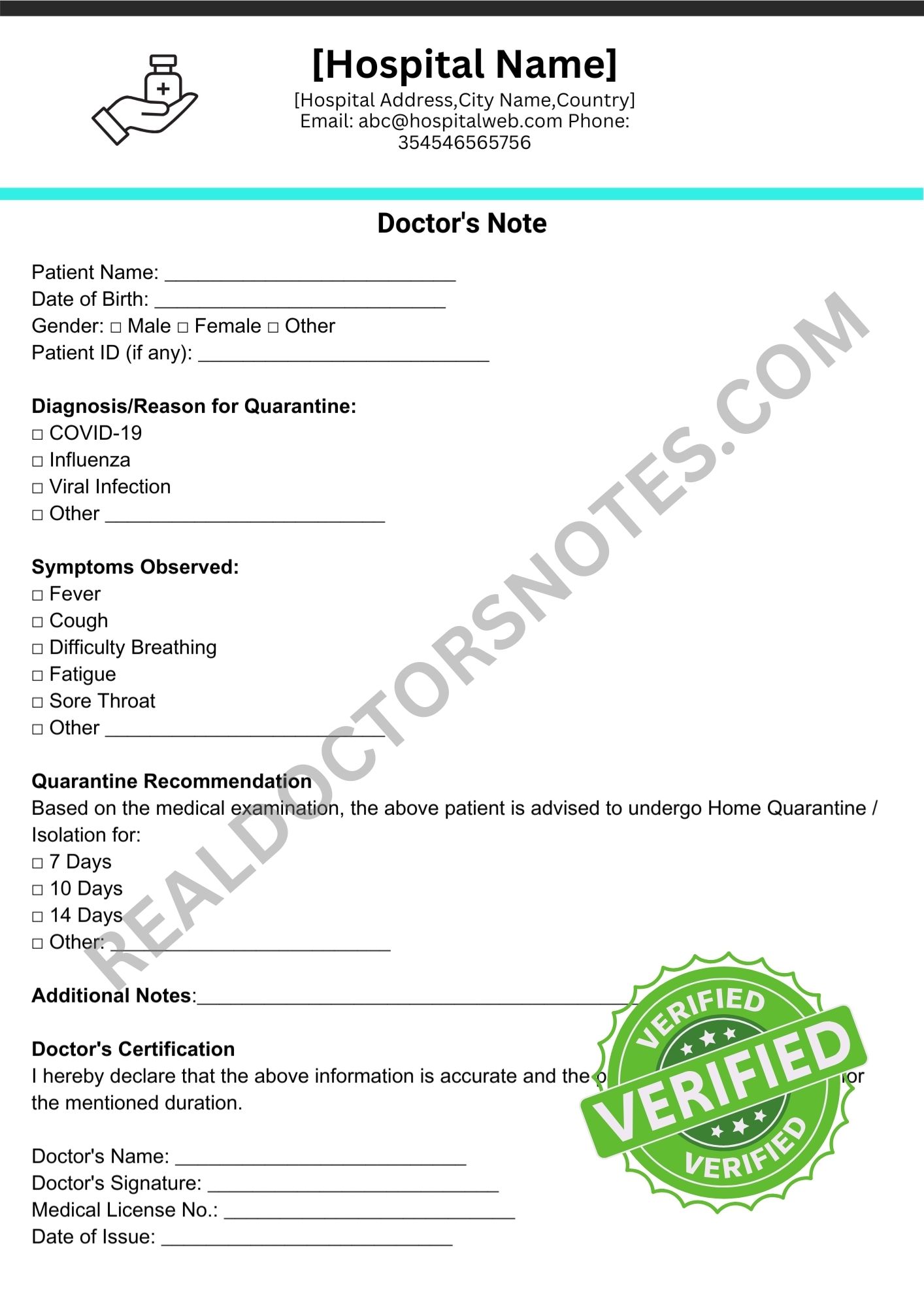
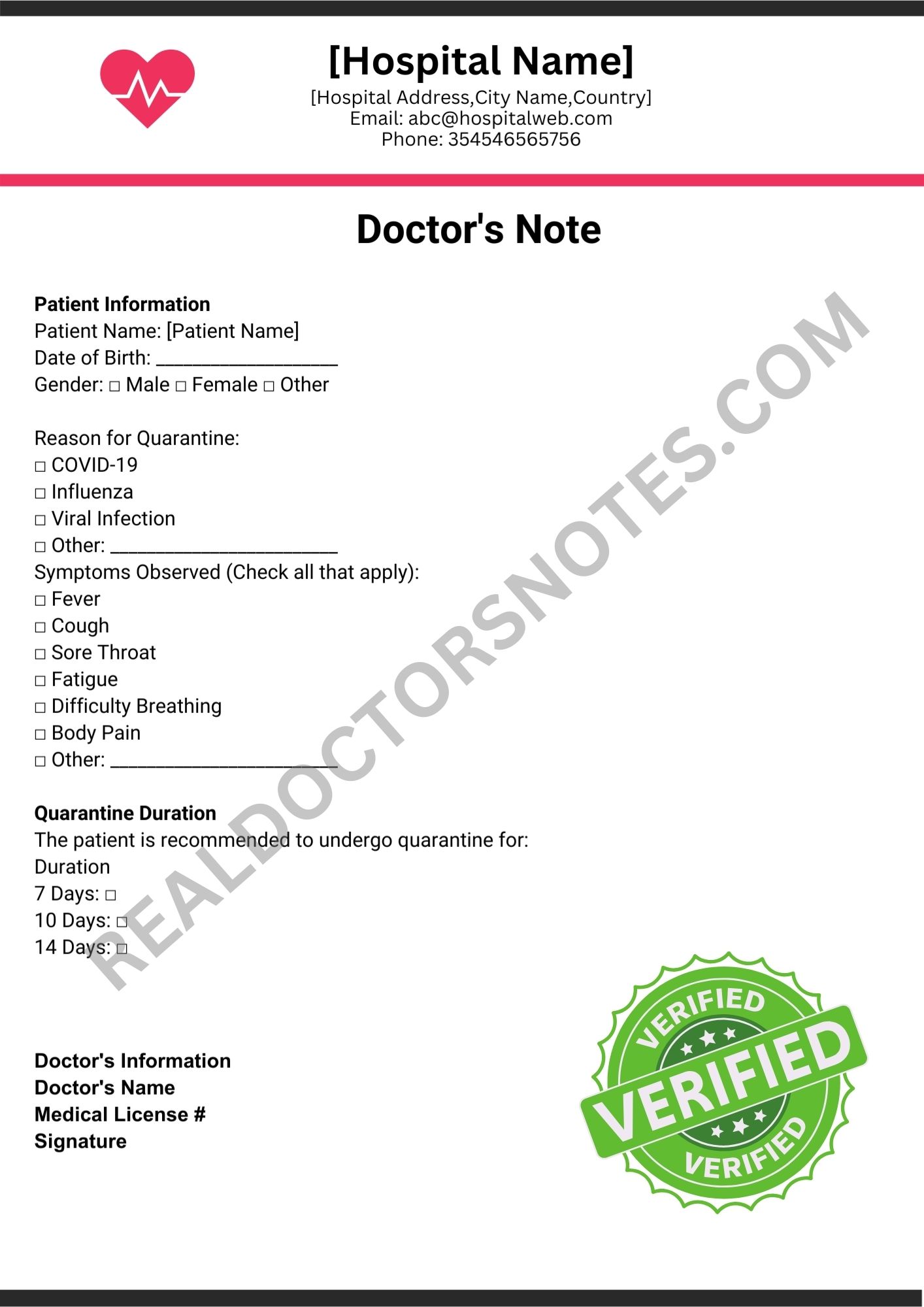
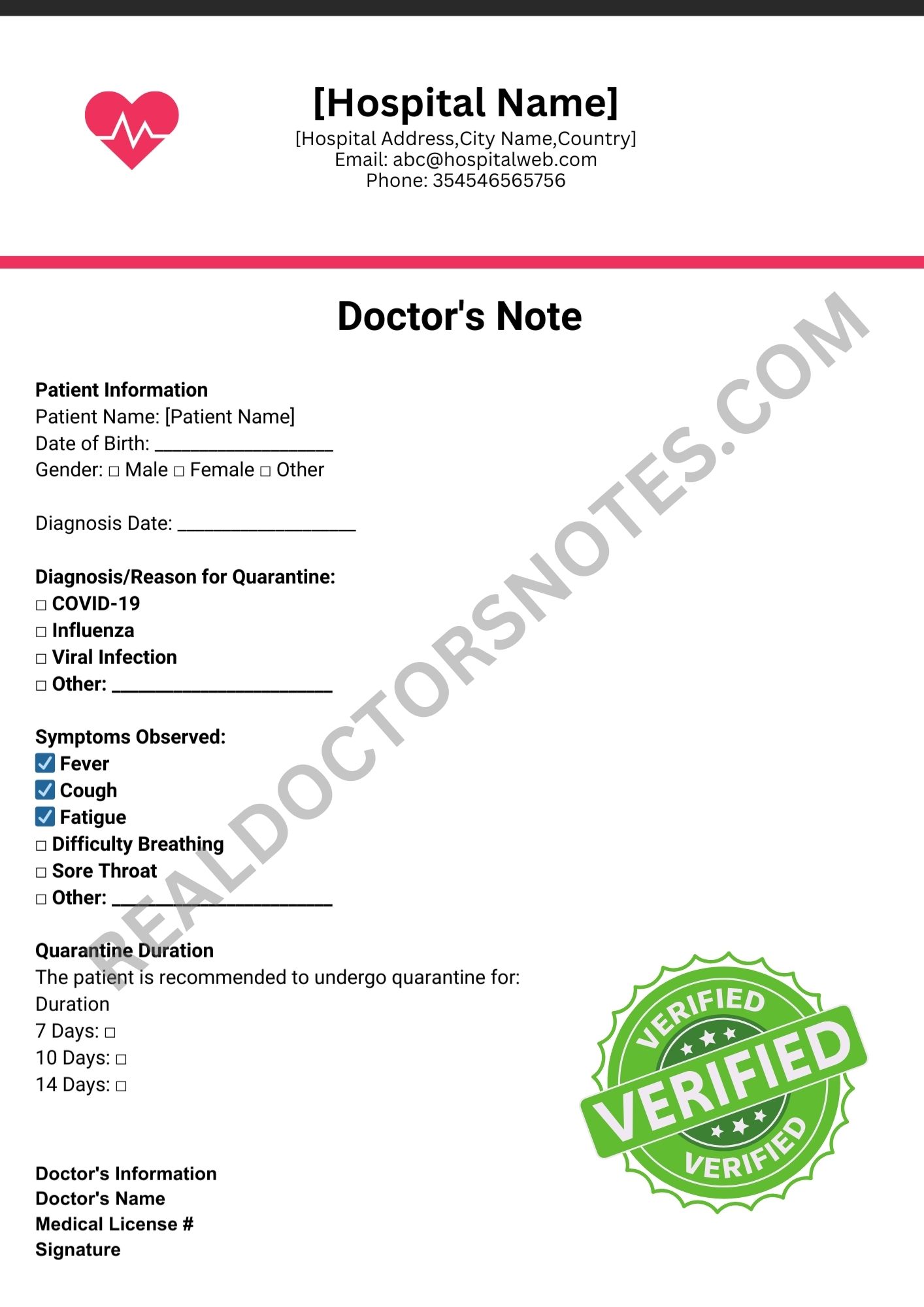
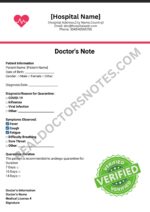
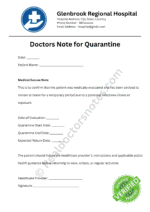
A doctor’s note for quarantine may include information such as:
- Patient identification
- Date of medical evaluation
- Exposure assessment
- Recommendation for quarantine when appropriate
- Activity restrictions
- Follow-up instructions
- Return-to-work or school guidance if applicable
- Healthcare provider information
The exact content depends on the healthcare provider’s clinical assessment and the individual’s circumstances.
Preparing Your Home for Quarantine
Planning ahead can make quarantine more manageable.
Consider:
- Stocking basic groceries and medications.
- Keeping emergency contact numbers available.
- Arranging remote work or study if possible.
- Preparing entertainment such as books or movies.
- Organizing essential household supplies.
- Planning grocery or medication deliveries if needed.
Being prepared can reduce unnecessary outings during the quarantine period.
Workplace and School Communication During Quarantine
Good communication helps minimize disruptions.
Suggestions include:
- Notify your employer or school as soon as possible.
- Ask about documentation requirements.
- Request remote work or online learning options if available.
- Keep copies of medical documentation.
- Follow attendance policies.
- Stay informed about return requirements.
FAQs
1. Can I get a doctor’s note for quarantine?
Yes. A healthcare provider may issue documentation if quarantine is medically recommended after evaluating your situation.
2. Is quarantine the same as isolation?
No. Quarantine is generally used after possible exposure, while isolation is used when someone is ill or suspected to have a contagious condition.
3. Can I work remotely during quarantine?
Depending on your job responsibilities and employer policies, remote work may be possible.
4. Can schools request quarantine documentation?
Yes. Some schools or universities may request medical documentation for quarantine-related absences.
5. Can employers require a doctor’s note?
Employer documentation requirements vary depending on workplace policies and local regulations.
6. Do I need a doctor’s note if I have no symptoms?
Some employers or schools may request documentation after a known exposure. Requirements vary by organization.
7. Can I leave home during quarantine?
You should follow the advice provided by your healthcare provider or public health authority regarding activities outside your home.
8. What should I do if symptoms develop during quarantine?
Contact a healthcare provider for further evaluation and follow their recommendations.
9. Can telehealth provide quarantine documentation?
Many healthcare providers offer telehealth consultations and may provide documentation when clinically appropriate.
10. How should I prepare for quarantine?
Gather essential supplies, arrange remote responsibilities when possible, and maintain communication with healthcare providers and your employer or school.



Reviews
There are no reviews yet.