![Real Doctors Note For Work and School [Get in 5 Minutes]](https://realdoctorsnotes.com/wordpress/wp-content/uploads/2025/11/2.png)
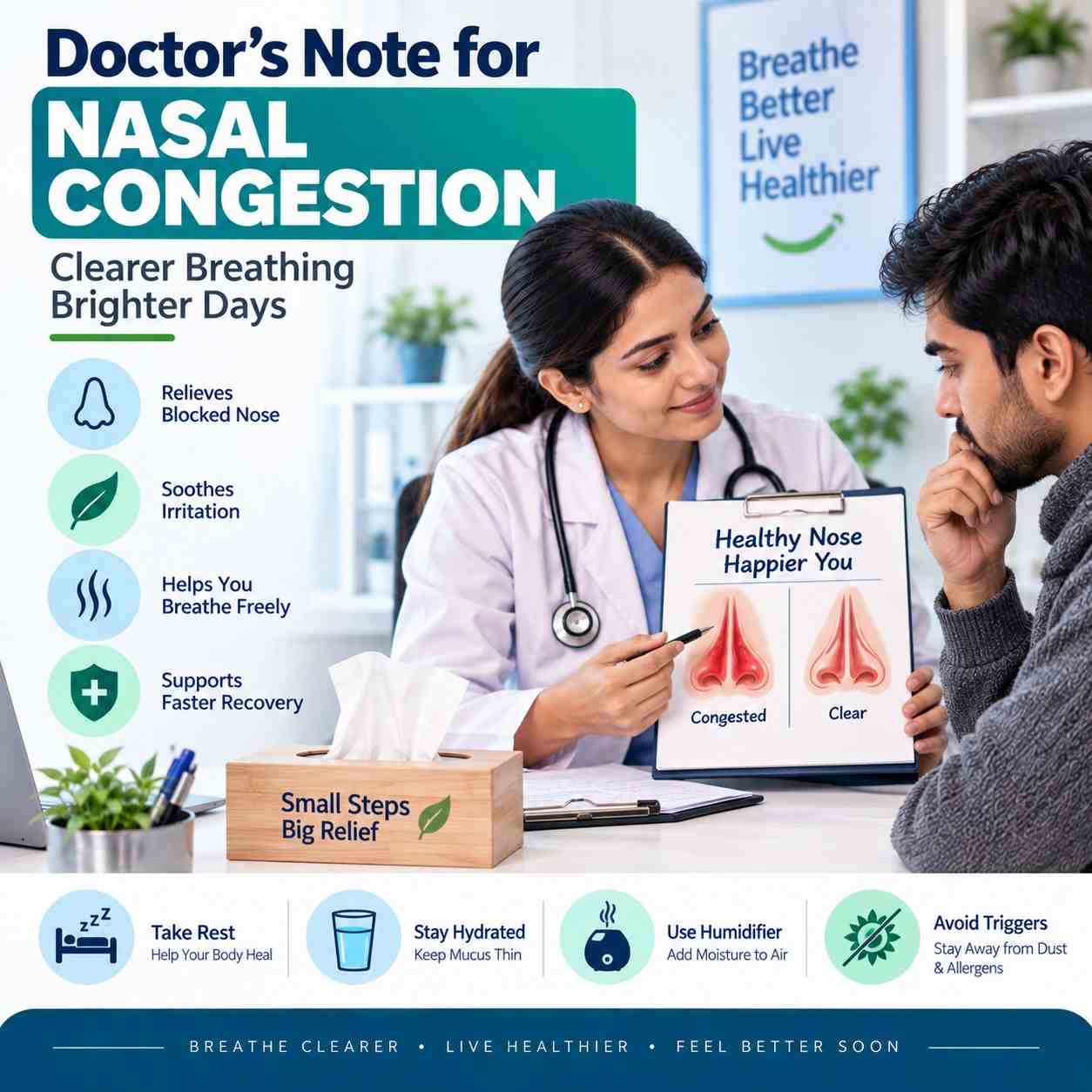
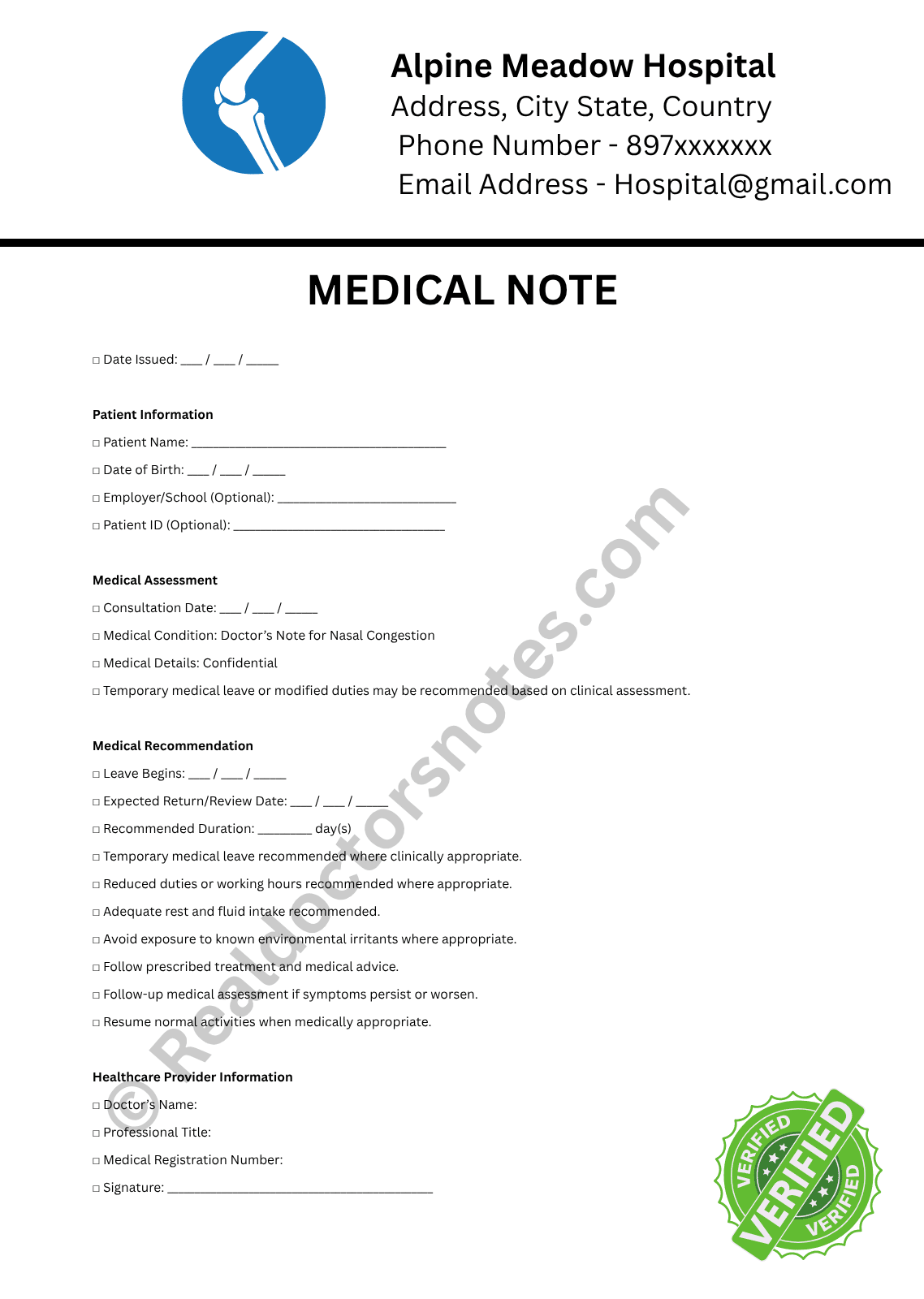
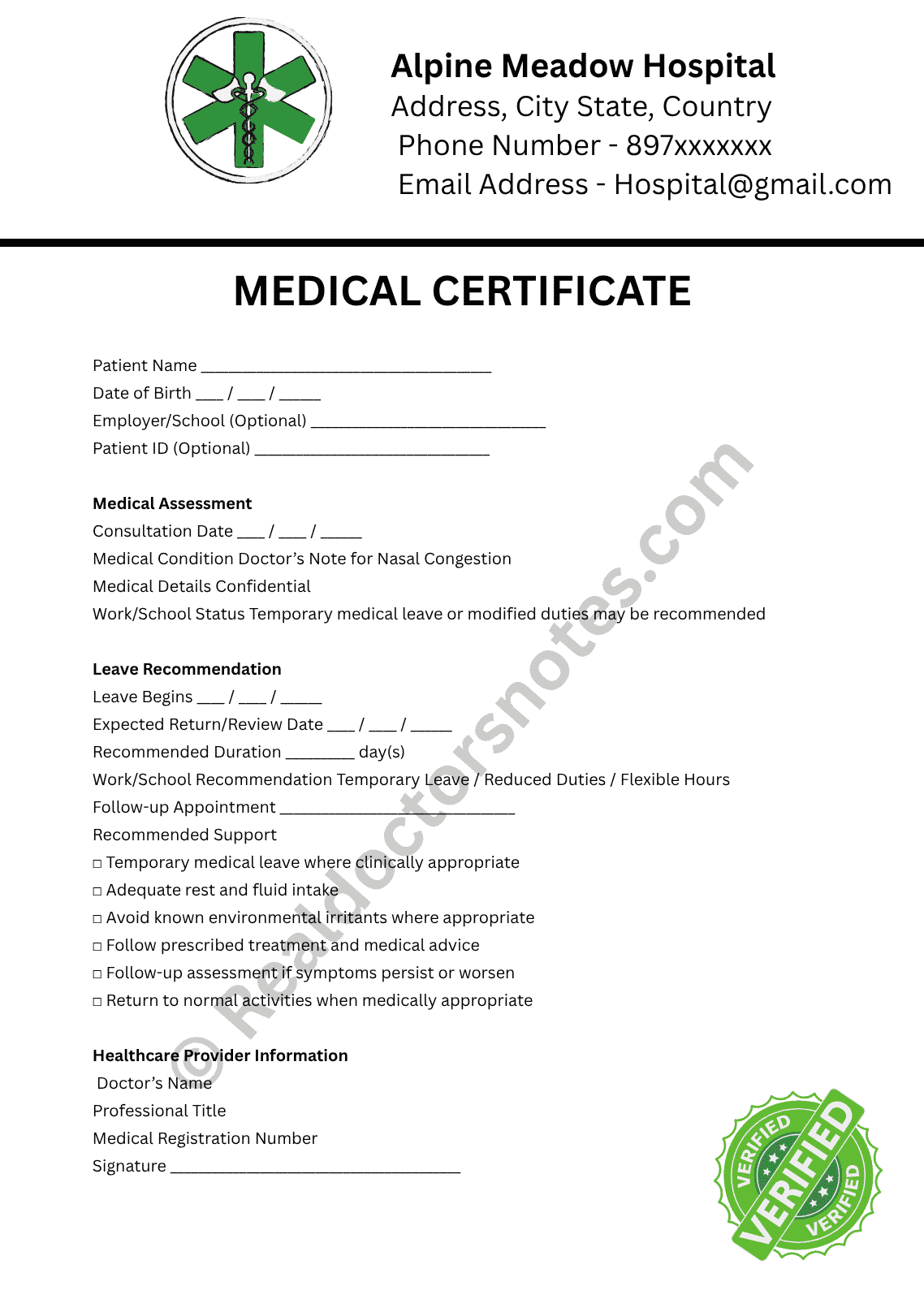
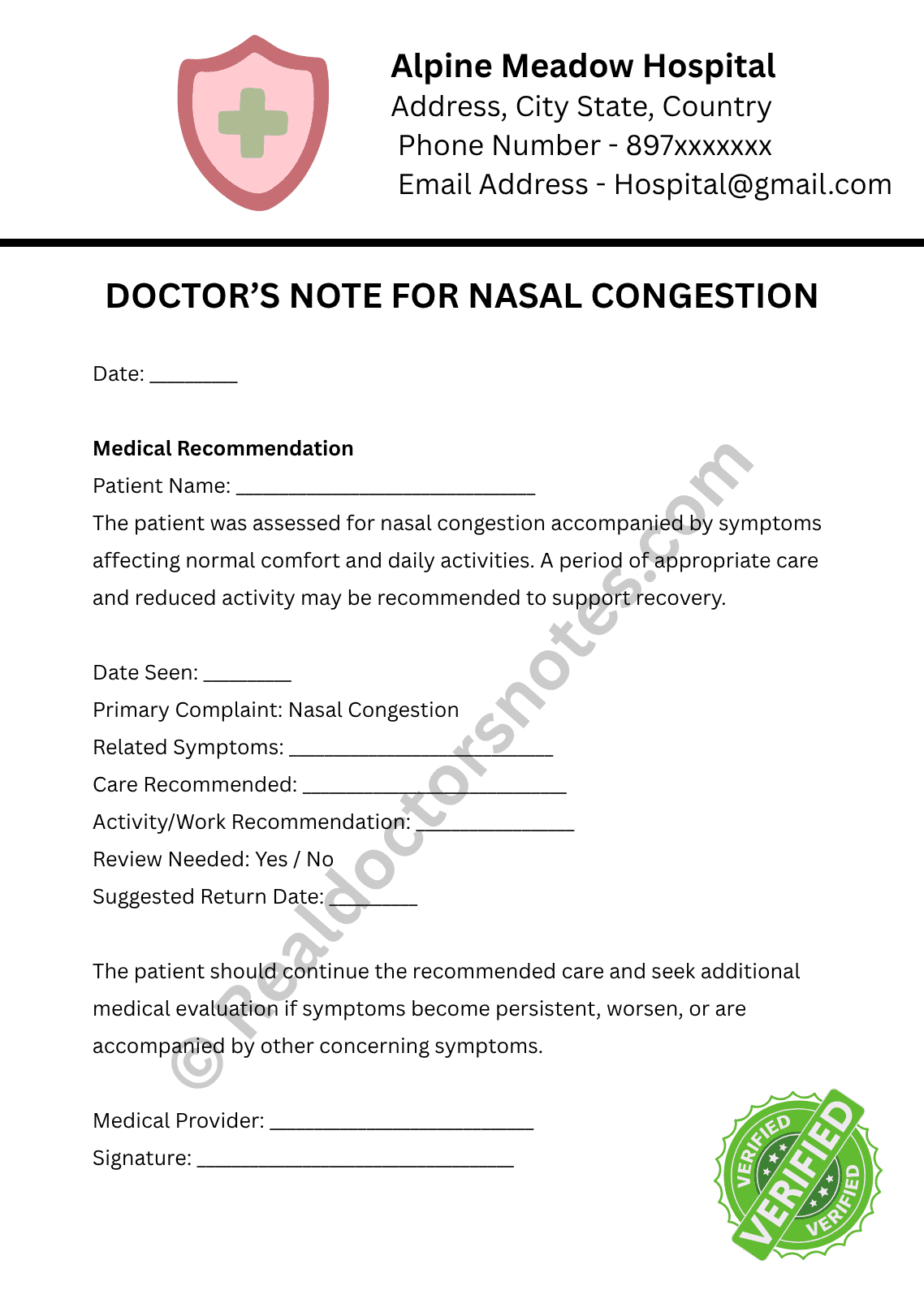

Nasal congestion can make it difficult to breathe comfortably, sleep well, concentrate at work, or attend school. A doctor’s note for nasal congestion can document that your symptoms were medically evaluated and may explain why you needed rest or time away from regular responsibilities.
What Is Nasal Congestion?
Nasal congestion happens when the tissues and blood vessels inside the nose become swollen or irritated, often causing a blocked or stuffy nose. It may occur with a cold, allergies, sinus problems, flu, respiratory infections, or exposure to irritants.
Some people experience congestion for only a few days, while others may have recurring or persistent symptoms. The cause matters because treatment and the need for medical documentation can differ from person to person.
Can You Get a Doctor’s Note for Nasal Congestion?
Yes, a healthcare provider may provide medical documentation when nasal congestion is significant enough to affect your normal activities and the provider determines that documentation is appropriate.
A simple stuffy nose does not automatically mean you need a doctor’s note. However, if congestion is accompanied by symptoms such as fever, facial pressure, headache, coughing, sore throat, fatigue, or difficulty sleeping, a medical evaluation may be appropriate.
A healthcare provider may consider:
- How severe your symptoms are
- How long you have had congestion
- Whether another illness is causing it
- Whether your symptoms interfere with work or school
- Whether you need temporary rest
- Your employer’s or school’s documentation requirements
When Might Nasal Congestion Require Time Off?
Mild congestion may not prevent someone from working or attending school. More severe symptoms can be different.
You may need time away from your usual activities if nasal congestion is accompanied by:
- Significant fatigue
- Fever or chills
- Severe headache
- Facial pain or pressure
- Persistent coughing
- Difficulty sleeping
- Trouble breathing normally through the nose
- Symptoms of a contagious respiratory illness
- Reduced ability to concentrate
The decision should depend on your symptoms and the healthcare provider’s assessment rather than the congestion alone.
Doctor’s Note for Stuffy Nose and Cold Symptoms
A stuffy nose commonly occurs during a cold. If congestion is part of a broader illness, a healthcare provider may document the underlying condition rather than simply writing “nasal congestion.”
For example, your symptoms could be associated with:
- Common cold
- Viral respiratory infection
- Seasonal allergies
- Sinusitis
- Influenza
- Environmental irritation
- Other upper respiratory conditions
The medical documentation should accurately reflect the provider’s assessment.
Can You Get a Sick Note for Nasal Congestion?
A sick note may be provided when a healthcare professional determines that your symptoms justify time away from work or school.
The note may include information such as:
- Date of evaluation
- Recommended period of absence
- General medical reason, when appropriate
- Return-to-work or return-to-school date
- Any relevant restrictions
Requirements vary by employer, school, location, and healthcare provider. Some organizations may accept a general medical certificate, while others may require specific information.
Online Doctor’s Note for Nasal Congestion
Telehealth can be an option for people who have nasal congestion but do not necessarily need an in-person visit.
During an online consultation, a healthcare professional may ask about:
- When the congestion started
- Whether one or both nostrils are blocked
- Nasal discharge
- Fever
- Cough
- Sore throat
- Headache or facial pressure
- Allergy symptoms
- Medications already tried
- Other relevant medical history
Based on the consultation, the provider can determine whether further evaluation is needed and whether medical documentation is appropriate.
An online consultation does not guarantee that a doctor’s note will be issued. The provider must make that decision based on the clinical information available.
Doctor’s Note for Nasal Congestion for Work
If nasal congestion is making it difficult to perform your job, you may discuss your symptoms with a healthcare provider.
This can be particularly relevant when your symptoms are accompanied by fatigue, fever, coughing, or other signs of illness.
A workplace may have its own rules regarding:
- How many days you can take sick leave
- When a medical certificate is required
- Whether telehealth documentation is accepted
- What information must appear on the note
- When you must notify your manager
Check your workplace policy before relying on a medical note for leave.
Doctor’s Note for Nasal Congestion for School
Students may also need medical documentation when illness causes them to miss classes, exams, clinical training, or other required activities.
A healthcare provider may document the period during which you were medically advised to rest or remain away from school.
Because school policies differ, students should check whether the institution requires a doctor’s note, medical certificate, or another form of absence documentation.
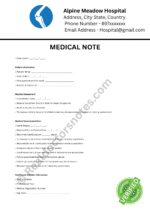
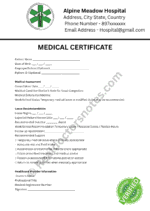
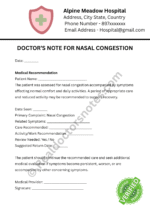
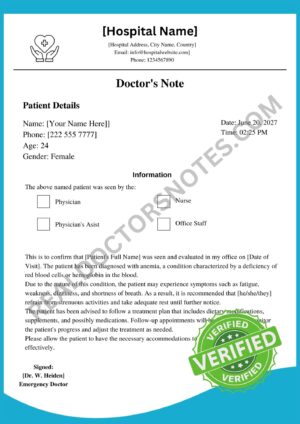
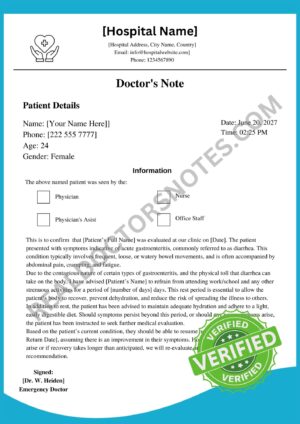
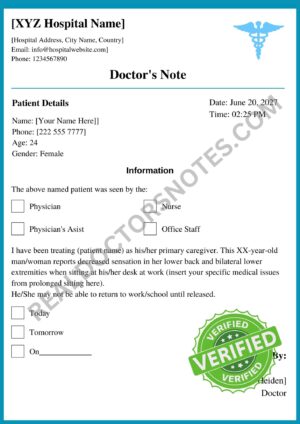
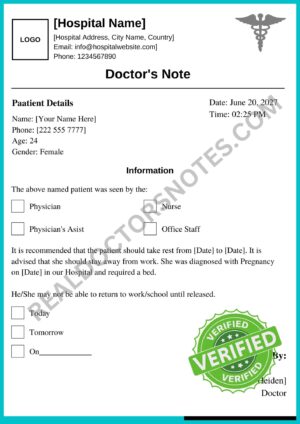
What Should a Doctor’s Note for Nasal Congestion Include?
The exact format depends on the healthcare provider and the organization requesting the documentation.
A medical note may contain:
| Information | Purpose |
|---|---|
| Patient name | Identifies the individual |
| Date of consultation | Shows when the evaluation occurred |
| Medical assessment | Documents the relevant condition or symptoms |
| Recommended rest period | Indicates the advised absence |
| Return date | Helps establish when normal activities may resume |
| Provider information | Identifies the healthcare professional |
| Signature or authorization | Validates the document where required |
A provider does not necessarily need to include every symptom or detailed medical history. Privacy requirements and organizational policies may affect what information is appropriate.
Does Nasal Congestion Mean You Have Sinusitis?
Not necessarily.
Nasal congestion is a symptom, while sinusitis is a medical condition involving inflammation of the sinuses. Congestion can occur with many different conditions, including allergies and common viral infections.
Sinusitis may involve additional symptoms such as facial pressure, nasal discharge, reduced sense of smell, headache, or symptoms that persist or worsen over time.
Because several conditions can cause similar symptoms, a healthcare professional can help determine the likely cause.
Nasal Congestion From Allergies
Allergic rhinitis is another common cause of a blocked or stuffy nose.
Allergy-related congestion may occur with:
- Sneezing
- Runny nose
- Itchy nose
- Watery or itchy eyes
- Postnasal drip
- Exposure to pollen, dust, pets, or other allergens
If allergies significantly interfere with work, school, sleep, or daily activities, discussing the symptoms with a healthcare professional may be useful.
How Long Does Nasal Congestion Usually Last?
The duration depends on the underlying cause.
Congestion associated with a common cold may improve as the illness resolves. Allergy-related symptoms can continue as long as a person is exposed to a trigger. Other causes may require different evaluation or treatment.
Persistent, recurring, or unusually severe congestion deserves medical attention rather than simply relying on a general sick note.
When Should You See a Doctor for Nasal Congestion?
Consider contacting a healthcare professional if congestion:
- Lasts longer than expected
- Keeps returning
- Becomes increasingly severe
- Interferes with sleep or daily activities
- Occurs with significant facial pain
- Is accompanied by high or persistent fever
- Causes concerning breathing difficulties
- Follows an injury to the nose
- Occurs with other symptoms that concern you
Seek urgent medical attention for severe breathing difficulty or other serious symptoms.
How to Get a Doctor’s Note for Nasal Congestion
The usual process is straightforward:
1. Arrange a Medical Consultation
Choose an appropriate healthcare service, such as an in-person clinic or legitimate telehealth provider.
2. Explain Your Symptoms
Tell the provider when the congestion began, how severe it is, and whether you have other symptoms.
3. Discuss Its Effect on Your Routine
Explain whether the condition is affecting your ability to work, attend school, sleep, or perform normal activities.
4. Follow the Provider’s Advice
The healthcare professional may recommend treatment, monitoring, testing, or an in-person evaluation.
5. Request Documentation if Appropriate
If you need medical documentation, ask the provider whether they can issue a doctor’s note or medical certificate based on their assessment.
Can a Doctor’s Note Excuse You From Work for Nasal Congestion?
It can, depending on the provider’s assessment and your employer’s policies.
A medical note generally documents that you were evaluated and that the provider made a particular recommendation. It does not automatically guarantee that an employer must approve a specific number of days off.
Your workplace may have separate rules regarding sick leave and medical documentation.
Can a Doctor’s Note Excuse You From School for a Stuffy Nose?
A doctor’s note may support a student’s absence when a healthcare provider determines that the illness affected their ability to attend.
However, whether the absence is officially excused depends on the school’s attendance policy.
If you know you will need documentation, ask the school what information it requires before requesting the note.
Is an Online Doctor’s Note for Nasal Congestion Legitimate?
Legitimacy depends on how the medical consultation and documentation are provided.
A legitimate online medical service should involve an actual healthcare professional who evaluates the patient’s information and makes an independent clinical decision.
Avoid services that promise a medical note automatically without a medical evaluation or ask you to provide false information.
A genuine medical document should accurately represent the consultation and the provider’s assessment.
Can You Get a Doctor’s Note Without Seeing a Doctor?
A doctor’s note is medical documentation, so it should be based on an evaluation by an appropriately qualified healthcare professional.
That evaluation may sometimes take place through telehealth rather than an in-person appointment, depending on the situation and local rules.
Simply purchasing or creating a document without a medical assessment is not the same as receiving legitimate medical documentation.
Privacy and Doctor’s Notes for Nasal Congestion
You may not need to disclose every personal medical detail to your employer or school.
The amount of information included in a doctor’s note depends on factors such as:
- The provider’s documentation practices
- Privacy requirements
- Employer or school policies
- Local regulations
- What information is necessary to support the absence
If privacy is important to you, ask the healthcare provider what information will appear on the document before it is issued.
FAQs
Q. Can I get a doctor’s note for nasal congestion?
Yes. A healthcare provider may issue documentation when your symptoms have been evaluated and they determine that a note is medically appropriate.
Q. Can I get a sick note for a stuffy nose?
Possibly. A provider will consider the severity of your symptoms and whether they affect your ability to work or attend school.
Q. Can allergies cause enough congestion to need a doctor’s note?
Yes, if allergy symptoms significantly interfere with normal activities. The provider can determine whether documentation is appropriate.
Q. Can I get an online doctor’s note for nasal congestion?
A telehealth provider may issue medical documentation when appropriate after evaluating your symptoms. A note is not guaranteed simply because you request one.
Q. How long should I stay home with nasal congestion?
There is no universal number of days. It depends on the cause, severity, associated symptoms, and healthcare provider’s advice.



Reviews
There are no reviews yet.